Beyond the Snapshot: Benefits of Longitudinal Hormone Monitoring in Perimenopause and Menopause
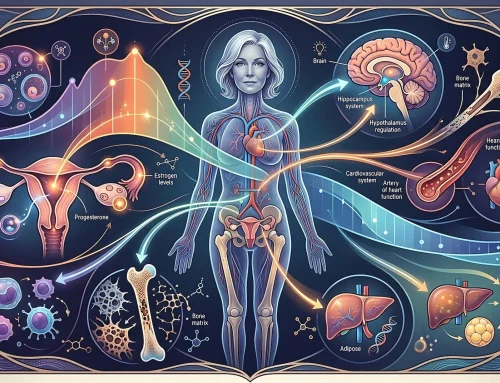
Perimenopause and menopause involve substantial changes in ovarian hormone signaling that influence multiple physiological systems. Fluctuations in estradiol and progesterone intersect with alterations in sleep, mood, cognition, metabolism, body composition, bone remodeling, immune signaling, thyroid and adrenal physiology, and gastrointestinal function.
Estrogen is central to many of these processes, but its effects are modulated by progesterone, androgens, thyroid hormones, cortisol, insulin, inflammatory pathways, and the gut microbiome. Nutrition, physical activity, sleep, stress, genetics, and body composition further shape endocrine and metabolic physiology.
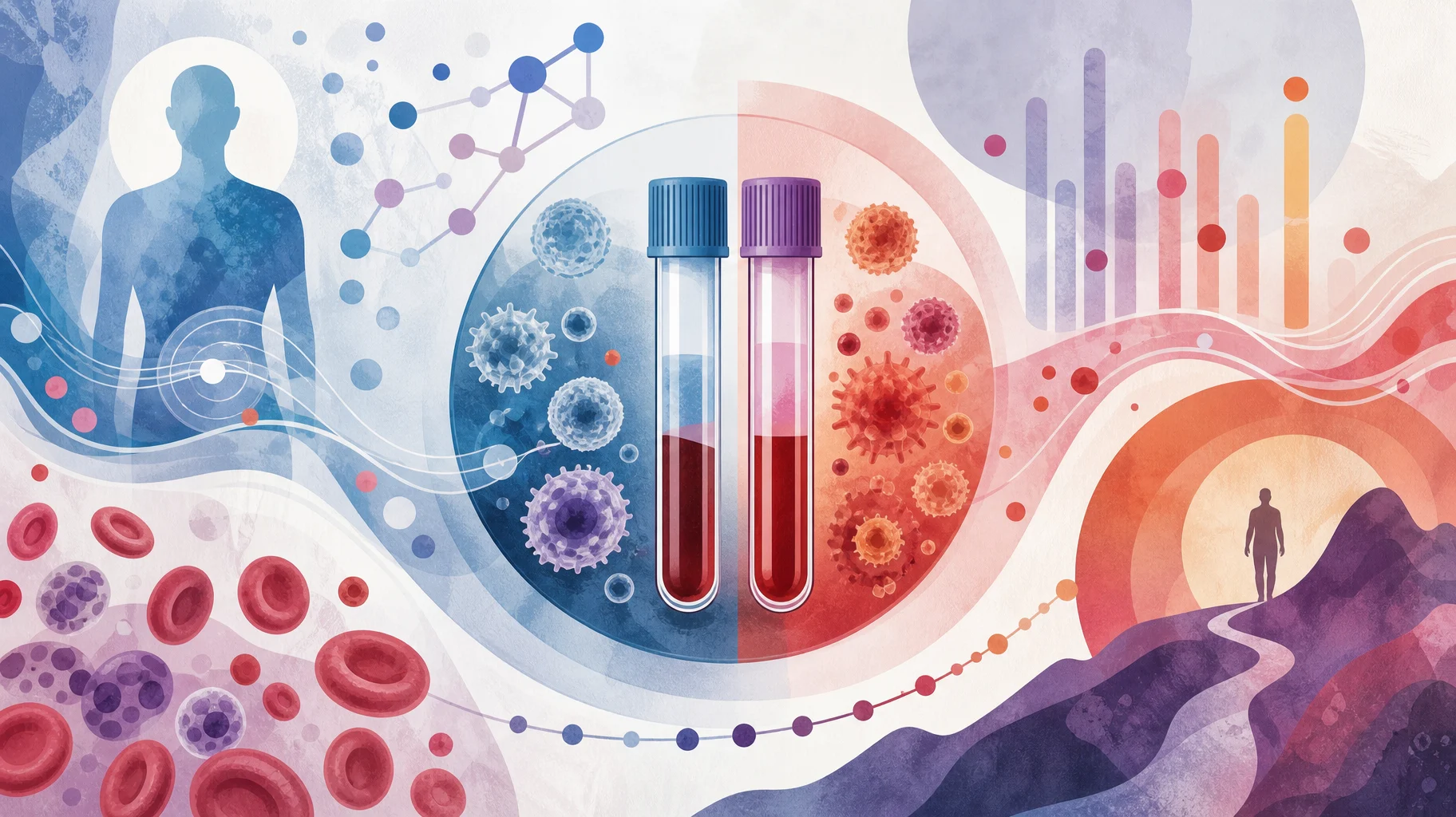
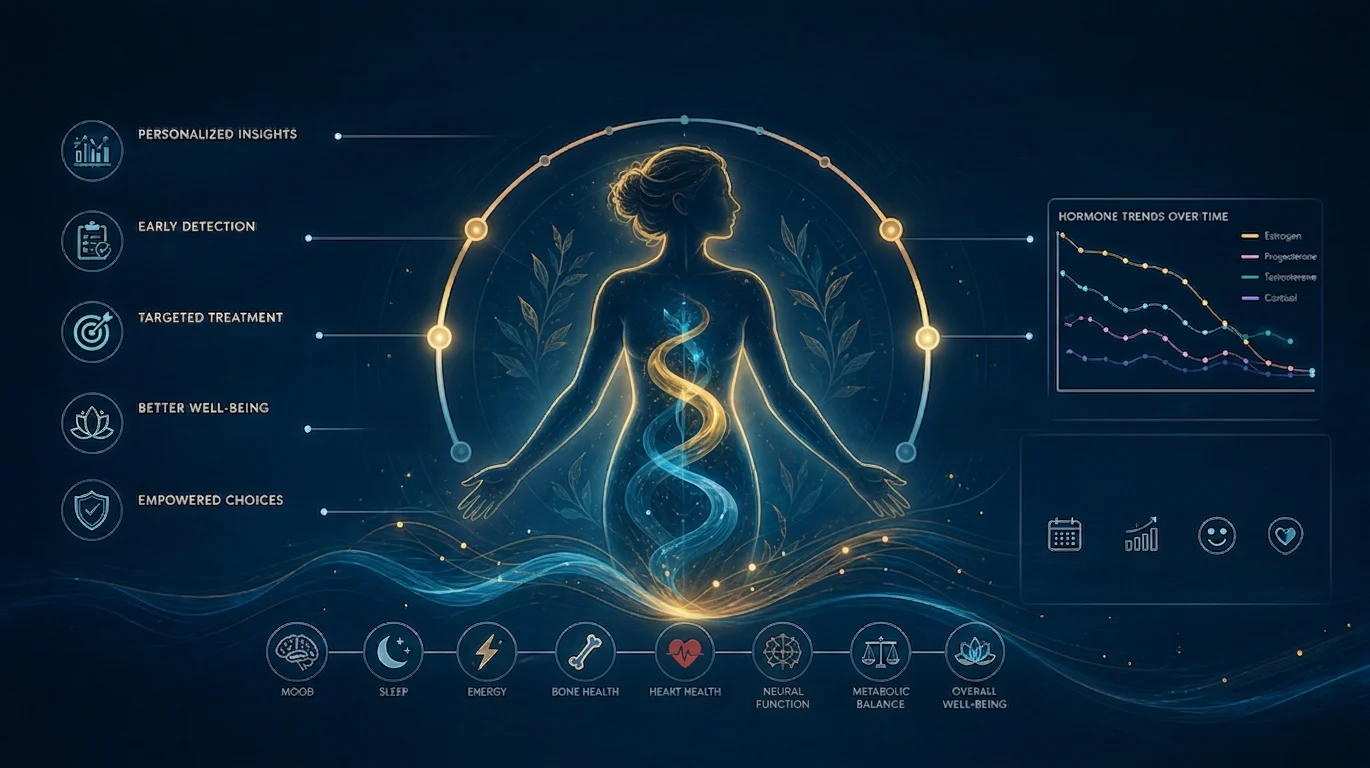
This complexity has an important implication for hormone assessment: a single laboratory value captures one moment, whereas longitudinal monitoring reveals patterns and physiological trajectories over time. Rather than focusing on isolated hormone levels, clinicians can interpret hormonal changes in relation to symptoms, lifestyle, treatment, and other measures of health.
Perimenopause Is a Dynamic Endocrine Transition
During perimenopause, ovulation becomes less predictable, progesterone exposure may become intermittent, and estradiol can fluctuate considerably. FSH and LH also change as ovarian responsiveness evolves.
Eventually, this variability transitions to the sustained reduction in ovarian hormone production characteristic of menopause, with implications for cardiometabolic, skeletal, neuroendocrine, and genitourinary health.
This variability is one reason a single FSH or estradiol measurement may provide limited information about where a woman is within the transition. Results are influenced by cycle phase, ovulatory status, medication exposure, and other biological variables.
Serial assessment can help characterize hormonal variability, ovulatory patterns, and the tempo of transition alongside changes in menstrual patterns, symptoms, and metabolism, providing a more meaningful picture of physiology over time.
Hormones Exist Within a Network
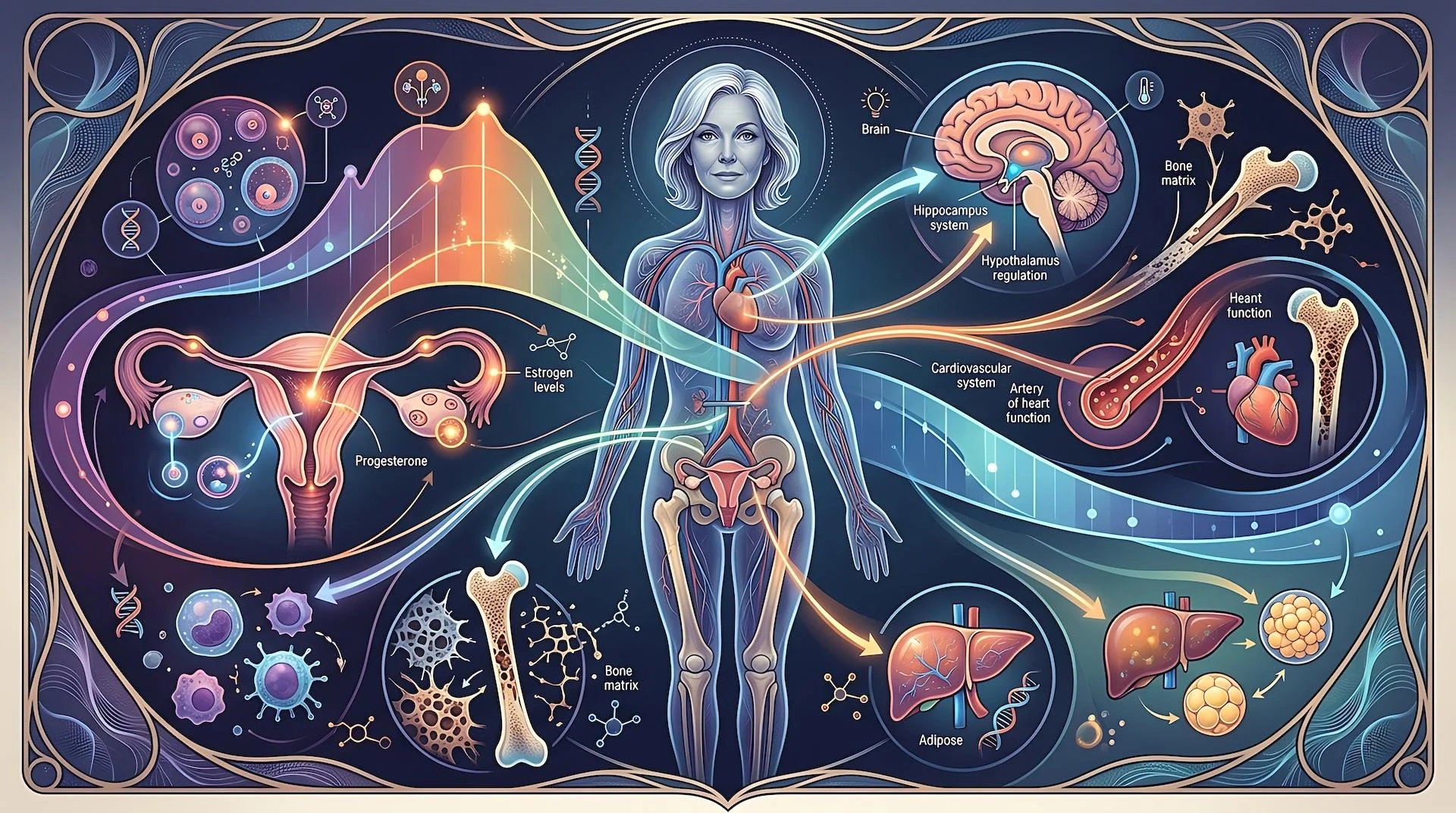
Estrogen does not act alone. Progesterone, androgens, thyroid hormones, cortisol, and insulin interact with estrogen signaling to influence the physiological processes underlying menopausal symptoms and health changes.
As ovulation becomes less frequent, progesterone exposure may become increasingly variable. Serial progesterone measurements, interpreted alongside cycle history or evidence of ovulation, can provide information that an isolated measurement cannot.
Androgens also contribute to this physiology. Testosterone and DHEA-S contribute to sexual function, muscle physiology, and energy, while SHBG and insulin sensitivity influence testosterone bioavailability.
Thyroid hormones regulate energy expenditure, lipid metabolism, and cellular metabolism, while stress physiology can influence thyroid regulation (1-2). Cortisol follows a circadian rhythm that intersects with sleep, stress regulation, and glucose metabolism.
Changing estrogen exposure also occurs alongside shifts in body composition, fat distribution, insulin sensitivity, and cardiometabolic risk (3-4). Hormone measurement is therefore best interpreted within its broader endocrine and metabolic context.
Why Longitudinal Patterns Matter
Hormones fluctuate with cycle phase, ovulation, circadian rhythms, medications, acute illness, stress, sleep, and other physiological variables. A reference range tells us whether a value falls within a population-defined interval; it does not necessarily indicate whether that value represents a meaningful change for an individual.
Longitudinal monitoring establishes an individual’s physiological trajectory. When interpreted alongside menstrual history, symptoms, sleep, metabolic markers, and lifestyle, otherwise ambiguous changes can become more informative.
A single measurement is a snapshot; longitudinal data provide a trajectory. Serial testing can also help distinguish true physiological change from variation related to timing, illness, medications, collection conditions, or assay variability.
Hormones, Sleep, Mood & the Brain
The brain illustrates why hormone assessment must be interpreted within a broader physiological context.
Sleep disturbance is common during the menopause transition, and vasomotor symptoms are an important contributor. Vasomotor symptoms can fragment sleep, while poor sleep can in turn affect mood, cognition, stress regulation, and metabolic physiology (5-7).
Perimenopause is associated with increased vulnerability to depressive symptoms, with hormonal changes intersecting with psychiatric history, genetics, psychosocial stress, sleep, and other biological factors (8-10). A 2024 systematic review and meta-analysis found a significantly greater risk of depressive symptoms and diagnoses during perimenopause compared with premenopausal stages (11).
Longitudinal monitoring can place mood and cognitive changes within this broader context, examining whether they track with hormonal variability, sleep disruption, vasomotor symptoms, stress, or metabolic changes.
This may also be relevant for women with ADHD. Hormonal fluctuations have been associated with changes in ADHD symptoms, mood, sleep, and perceived treatment effectiveness, underscoring the importance of hormonal context in individualized care (12).
Treatment response can also be followed longitudinally. A 2026 systematic review and meta-analysis found a modest reduction in depressive symptoms with menopausal hormone therapy among perimenopausal women with depressive symptoms (13).
Metabolism & Long-Term Health
The menopause transition is also an important period for observing cardiometabolic changes.
Changing estrogen exposure occurs alongside shifts in central adiposity, body composition, insulin sensitivity, lipid metabolism, and cardiometabolic risk (3-4).
Hormone patterns can therefore be interpreted alongside glucose-insulin measures, lipid profiles, inflammatory markers, blood pressure, and body composition. Thyroid physiology provides additional context because thyroid hormones influence energy expenditure and lipid metabolism (1).
Bone health also warrants a longitudinal perspective. Declining estrogen exposure influences bone remodeling, but skeletal health also depends on protein and micronutrient status, muscle mass, inflammation, GI function, and metabolic health.
Following these factors over time helps create a physiological timeline rather than treating cardiovascular, metabolic, and skeletal changes as disconnected consequences of aging.
The Gut–Hormone–Immune Connection
The gut further connects hormone metabolism, immune signaling, and metabolic physiology.
Emerging research describes a bidirectional gastrointestinal–reproductive axis through which microbial activity may interact with hormone metabolism, glucose regulation, inflammation, and reproductive physiology (14). The microbiome influences estrogen metabolism and recirculation, while diet, fiber intake, gastrointestinal function, and microbial ecology shape the biochemical environment in which these pathways operate.
Immune signaling also intersects with estrogen physiology. Research into menopausal depression increasingly examines relationships among estrogen signaling, inflammation, and neuroimmune regulation (15).
Lifestyle & Nutrition
Laboratory monitoring becomes most informative when interpreted with the factors that shape physiology every day. Nutrition, physical activity, sleep, and stress influence insulin sensitivity, inflammation, body composition, hormone metabolism, cognition, mood, gastrointestinal function, and immune and endocrine signaling.
Lifestyle medicine research supports an individualized approach incorporating nutrition, physical activity, mental well-being, and healthy relationships into menopause care and chronic disease prevention (16). A 2025 scoping review similarly found that healthier dietary patterns may be associated with lower depressive symptom burden during peri- and post-menopause (17).
Physiological attunement provides another valuable source of information. Changes in sleep, appetite, energy, cycle pattern, temperature regulation, mood, exercise tolerance, digestion, and recovery can help contextualize objective measures and identify meaningful changes over time.
Circadian alignment is another significant determinant of physiological regulation. Morning light helps anchor circadian rhythms that coordinate hormone signaling with sleep, mood, metabolism, and gut and immune function. A 2025 study linked circadian rhythmicity with markers of healthy aging in women, highlighting circadian biology as a further dimension of longitudinal physiological assessment (18).
Additionally, a recent study found that acupuncture was associated with improvements in comorbid depression and insomnia in perimenopausal women—underscoring the body-mind connection (19).
The strongest clinical picture emerges when laboratory data and lived physiology are considered together.
Match the Test to the Clinical Question
The clinical question should determine what to measure, which specimen to use, and when to collect it.
- Ovulation and luteal function: Serial serum progesterone paired with cycle tracking or evidence of ovulation can characterize ovulatory patterns. In irregular cycles, LH surge detection or basal body temperature can help anchor interpretation.
- Menopause transition: Serial serum FSH, LH, and estradiol can be considered alongside menstrual history and symptoms; a single FSH cannot capture perimenopausal variability or tempo.
- Systemic hormone therapy: Serum estradiol can help characterize systemic exposure when collection is standardized to dosing; route of administration matters, as oral, transdermal, and vaginal therapies have different pharmacokinetics and tissue exposure.
- Endometrial protection: Bleeding patterns, clinical assessment, and imaging or tissue evaluation when indicated remain central. Serum hormone concentrations cannot substitute for tissue-specific assessment.
- Estrogen metabolism: Dried urine profiles can characterize estrogen metabolites and hydroxylation/methylation patterns, providing context for nutrition, fiber, gastrointestinal and liver physiology, and other influences.
- Androgen physiology: Serum total testosterone, SHBG, free testosterone, and DHEA-S can characterize androgen status when clinically indicated.
- Circadian cortisol: Salivary or dried urine cortisol profiles may be useful when the clinical question concerns diurnal rhythm.
- Systemic effects: Lipids, glucose-insulin markers, inflammatory markers, body composition, and bone-related measures can be followed alongside hormone trajectories.
At-home urinary hormone monitoring is another emerging area. A 2025 validation study found that urinary LH and E3G measurements from the Mira monitor correlated with ClearBlue readings in women navigating postpartum and perimenopause fertility transitions, illustrating the potential of repeated home measurements to capture dynamic hormonal patterns (20).
Timing & Interpretation Matter
Even sophisticated testing can become misleading when timing, collection conditions, and clinical context are overlooked.
Estradiol and progesterone fluctuate substantially across the menstrual cycle, and in perimenopause, unpredictable ovulation can make cycle day an unreliable marker of hormonal phase. When possible, sampling should be anchored to evidence of ovulation or a consistent clinical timing strategy.
Specimen selection also matters. Saliva may be useful for repeated home collection, particularly for selected diurnal cortisol questions, but absolute steroid concentrations should be interpreted cautiously. Dried urine can provide information about hormone metabolites and daily patterns, although hydration, collection conditions, and creatinine normalization can influence interpretation.
Population reference ranges provide useful guardrails, but within-person trends can reveal clinically meaningful changes that a single reference-range comparison may miss.
Ultimately, one result rarely establishes a physiological narrative. Repeated, appropriately timed measurements that align with symptoms and clinical findings provide a stronger basis for interpretation than an isolated value.
The Bigger Picture
The most meaningful assessment integrates hormone trajectories with symptoms, menstrual and ovulatory patterns, metabolic health, nutrition, sleep, movement, stress, and other relevant clinical factors. Longitudinal data create a practical feedback loop: establish a baseline, intervene, and monitor changes. This can help evaluate hormone therapy and lifestyle strategies while supporting shared decision-making grounded in the individual’s evolving physiology.
This shift—from isolated values to trajectories, individual hormones to interconnected systems, and population averages to biochemical individuality—is pivotal to a more personalized approach to care.
Advancing Hormone Assessment in Perimenopause and Menopause: Moving Beyond Symptoms to Longitudinal Monitoring
Join us for this clinical webinar on September 8 from 5-7 PM Pacific Time for an evidence-informed approach to hormone assessment that moves beyond symptoms and single time-point testing toward longitudinal monitoring and individualized care. Dr. Carrie Jones and Dr. Tara Scott will explore how serial hormone patterns can inform clinical decision-making and the evaluation of hormone therapy, with Dr. Michelle Leary setting the stage and moderating the panel.
References:
- Sinha RA, Yen PM. Metabolic Messengers: Thyroid Hormones. Nat Metab. 2024 Apr;6(4):639-650. doi: 10.1038/s42255-024-00986-0. Epub 2024 Apr 26. PMID: 38671149; PMCID: PMC7615975.
- Petrowski K, Kahaly GJ. Stress and Thyroid Function-From Bench to Bedside. Endocr Rev. 2025 Sep 16;46(5):709-735. doi: 10.1210/endrev/bnaf015. PMID: 40522816
- Marlatt KL, Pitynski-Miller DR, Gavin KM, Moreau KL, Melanson EL, Santoro N, Kohrt WM. Body composition and cardiometabolic health across the menopause transition. Obesity (Silver Spring). 2022 Jan;30(1):14-27. doi: 10.1002/oby.23289. PMID: 34932890; PMCID: PMC8972960.
- Patel P, Patil S, Kaur N. Estrogen and Metabolism: Navigating Hormonal Transitions from Perimenopause to Postmenopause. J Midlife Health. 2025 Jul-Sep;16(3):247-256. doi: 10.4103/jmh.jmh_75_25. Epub 2025 Sep 5. PMID: 40951853; PMCID: PMC12431702.
- Carmona NE, Solomon NL, Adams KE. Sleep disturbance and menopause. Curr Opin Obstet Gynecol. 2025 Apr 1;37(2):75-82. doi: 10.1097/GCO.0000000000001012. Epub 2025 Jan 17. PMID: 39820156.
- Hachul H, Hachul de Campos B, Lucena L, Tufik S. Sleep During Menopause. Sleep Med Clin. 2023 Dec;18(4):423-433. doi: 10.1016/j.jsmc.2023.06.004. Epub 2023 Jul 16. PMID: 38501515.
- Troìa L, Garassino M, Volpicelli AI, Fornara A, Libretti A, Surico D, Remorgida V. Sleep Disturbance and Perimenopause: A Narrative Review. J Clin Med. 2025 Feb 23;14(5):1479. doi: 10.3390/jcm14051479. PMID: 40094961; PMCID: PMC11901009.
- Bromberger JT, Epperson CN. Depression During and After the Perimenopause: Impact of Hormones, Genetics, and Environmental Determinants of Disease. Obstet Gynecol Clin North Am. 2018 Dec;45(4):663-678. doi: 10.1016/j.ogc.2018.07.007. Epub 2018 Oct 25. PMID: 30401549; PMCID: PMC6226029.
- Brown L, Hunter MS, Chen R, Crandall CJ, Gordon JL, Mishra GD, Rother V, Joffe H, Hickey M. Promoting good mental health over the menopause transition. 2024 Mar 9;403(10430):969-983. doi: 10.1016/S0140-6736(23)02801-5. Epub 2024 Mar 5. PMID: 38458216.
- Hawkins SS. Associations Between Menopause and Depression. J Obstet Gynecol Neonatal Nurs. 2025 Jan;54(1):20-31. doi: 10.1016/j.jogn.2024.12.004. PMID: 39681322.
- Badawy Y, Spector A, Li Z, Desai R. The risk of depression in the menopausal stages: A systematic review and meta-analysis. J Affect Disord. 2024 Jul 15;357:126-133. doi: 10.1016/j.jad.2024.04.041. Epub 2024 Apr 18. PMID: 38642901.
- Wynchank D, de Jong M, Kooij SJJS. Practical tools for female-specific ADHD: The impact of hormonal fluctuations in clinical practice and from the literature. Eur Psychiatry. 2025 Oct 21;69(1):e1. doi: 10.1192/j.eurpsy.2025.10120. PMID: 41115846; PMCID: PMC12816923.
- Li Y, Sun Y, Bi Y, Yang L, Xu Y, Wu H, Ma X. Efficacy and safety of menopausal hormone therapy for depressive symptoms in perimenopausal women: A systematic review and meta-analysis. J Affect Disord. 2026 Sep 15;409:121892. doi: 10.1016/j.jad.2026.121892. Epub 2026 Apr 28. PMID: 42061517.
- De, R., Chakrabortty, S., Das, J., Chaudhary, P., Patra, R., Sardar, K., Nath, R., Pal, R., Debnath, B., & Ashique, S. (2026). Hormonal Imbalance and Gut Dysbiosis: Emerging Perspectives in Women’s Health.. Probiotics and antimicrobial proteins. https://doi.org/10.1007/s12602-026-11089-5
- Zhang Y, Tan X, Tang C. Estrogen-immuno-neuromodulation disorders in menopausal depression. J Neuroinflammation. 2024 Jun 19;21(1):159. doi: 10.1186/s12974-024-03152-1. PMID: 38898454; PMCID: PMC11188190.
- Anekwe CV, Cano A, Mulligan J, Ang SB, Johnson CN, Panay N, Schaedel Z, Akam EY, Porterfield F, Wang E, Nappi RE. The role of lifestyle medicine in menopausal health: a review of non-pharmacologic interventions. 2025 Oct;28(5):478-496. doi: 10.1080/13697137.2025.2548806. Epub 2025 Sep 12. PMID: 40937901.
- Bodnaruc AM, Duquet M, Prud’homme D, Giroux I. Diet and Depression During Peri- and Post-Menopause: A Scoping Review. 2025 Aug 31;17(17):2846. doi: 10.3390/nu17172846. PMID: 40944235; PMCID: PMC12429875.
- Malhan, D., Yalçin, M., Liedtke, S. et al. A prospective study to investigate circadian rhythms as health indicator in women’s aging. npj Womens Health 3, 18 (2025). https://doi.org/10.1038/s44294-025-00057-z
- Zhao FY, Zheng Z, Fu QQ, Conduit R, Xu H, Wang HR, Huang YL, Jiang T, Zhang WJ, Kennedy GA. Acupuncture for comorbid depression and insomnia in perimenopause: A feasibility patient-assessor-blinded, randomized, and sham-controlled clinical trial. Front Public Health. 2023 Feb 6;11:1120567. doi: 10.3389/fpubh.2023.1120567. PMID: 36815166; PMCID: PMC9939459.
- Bouchard TP, Doyle-Baker PK, Yong PJ, Fehring R, Schneider M. Validating At-Home Urinary Hormone Measurements in Postpartum and Perimenopause Fertility Transitions. Womens Health Rep (New Rochelle). 2025 Mar 28;6(1):369-376. doi: 10.1089/whr.2024.0157. PMID: 40308373; PMCID: PMC12040536.