
Exploring the Relationship Between Immunometabolic Dysfunction, Chronic Inflammation, & Chronic Disease Development
Metabolic dysfunction, immune activation, and chronic inflammation are familiar patterns in clinical practice. Less often recognized is the biology connecting them. Immunometabolism provides a framework for understanding this convergence.
Metabolism is not simply the process of producing and using energy, and immunity does not function independently of metabolic physiology. Immune cells continuously adapt their metabolism as they change state, shifting their reliance on pathways involving glycolysis, oxidative phosphorylation, fatty acid and amino acid metabolism, and mitochondrial signaling to shape their function. In turn, immune activation alters glucose and lipid metabolism, mitochondrial activity, and tissue physiology (1).
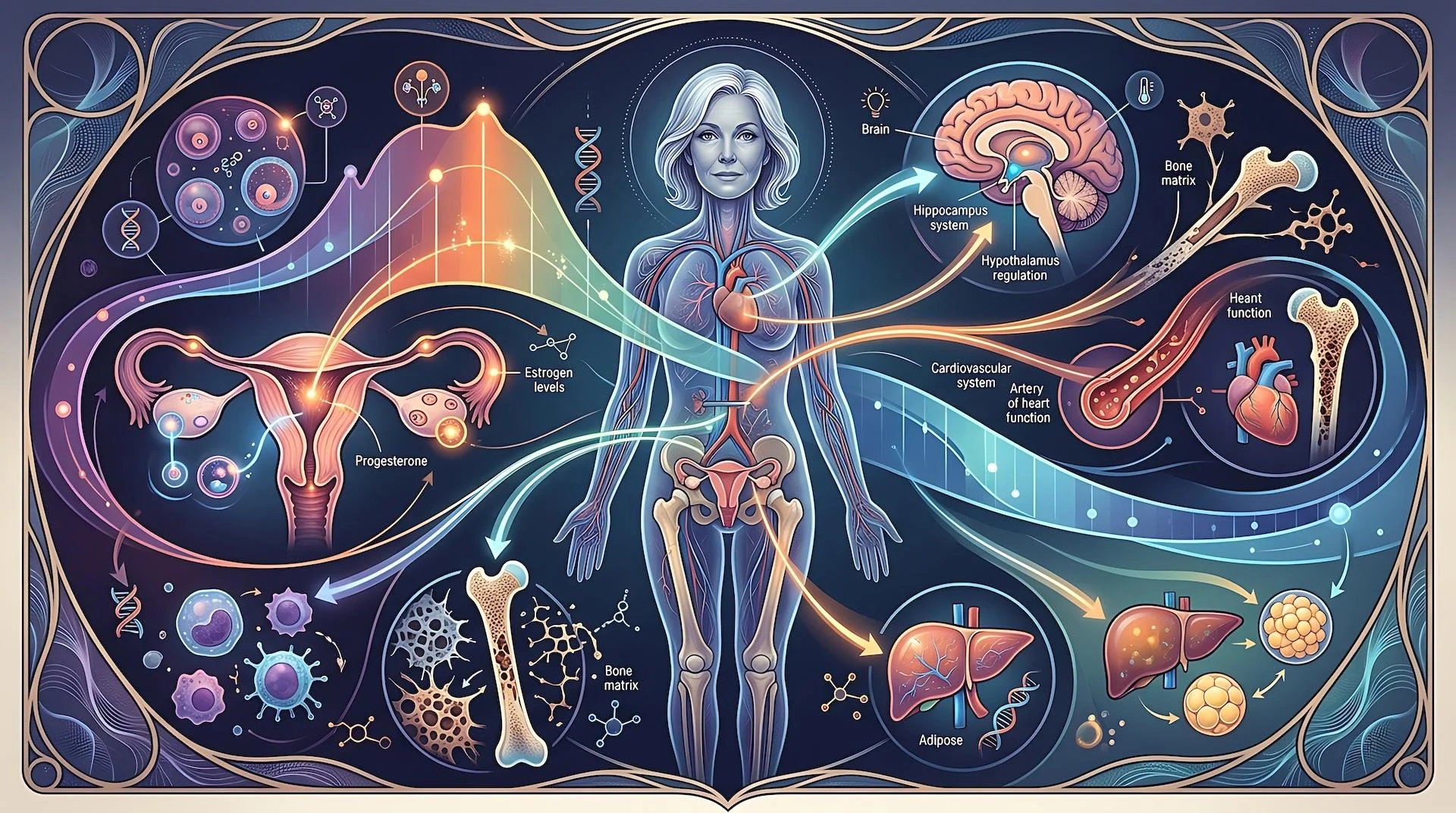
This reciprocal relationship provides a framework for understanding chronic disease. Metabolism, immunity, mitochondrial function, the gut, nervous, and endocrine systems, circadian rhythm, nutrition, and environmental exposures interact to shape cellular and tissue responses. Disturbance in one domain can alter another, contributing to the development and persistence of chronic disease.
From Environmental Signals to Immune Activation
The body is constantly sensing and responding to information generated internally and encountered from the environment. Nutrients provide energy substrates and signaling molecules that influence cellular metabolism and gene expression. Physical activity alters energy demand and mitochondrial signaling. Sleep and light exposure influence circadian rhythms. Psychological stress engages neuroendocrine pathways. The gut microbiome produces metabolites that communicate with immune and metabolic tissues, while environmental exposures can affect receptors, enzymes, mitochondrial function, and cellular signaling.
Cells translate these inputs into changes in metabolism, gene expression, redox balance, and immune activity.
When these signals are well regulated, they support adaptation and resilience. Persistent metabolic and environmental stressors, however, can reinforce dysfunction. Nutrient excess, insulin resistance, altered lipid metabolism, mitochondrial stress, circadian disruption, impaired gut barrier function, and chronic psychosocial stress can each influence immune-cell behavior. Together they create a biological environment in which inflammatory signaling becomes easier to initiate and more difficult to resolve (1-2).
Immunometabolism: Where Metabolism & Immunity Converge
Immune cells require energy, but their metabolic requirements extend beyond ATP production. Metabolic pathways influence immune-cell phenotype, signaling, proliferation, differentiation, and function. Changes in glucose utilization, oxidative phosphorylation, fatty acid metabolism, amino acid availability, and intermediary metabolites can shape whether immune responses are inflammatory, regulatory, reparative, or dysfunctional (1). Importantly, these relationships are context-dependent: the same metabolic pathway can produce different immune effects depending on cell type, activation state, and disease environment.
Mitochondria are central to this process. In addition to supporting energy production, they regulate redox signaling and immune-cell behavior. Mitochondrial reactive oxygen species (ROS), for example, participate in normal immune signaling, but persistent disruption of redox balance and excessive ROS can promote chronic inflammation, autoimmunity, and other disease processes (3).
This perspective reframes chronic inflammation. Rather than viewing inflammation as an isolated abnormality to suppress, we can ask what metabolic, environmental, and cellular conditions are sustaining immune activation.
When Protective Inflammation Becomes Persistent
Inflammation is essential to health. It enables the body to recognize threats, eliminate damaged material, coordinate repair, and restore tissue function. The problem arises when inflammatory activation becomes persistent, poorly resolved, or disproportionate to the original stimulus. Resolution requires coordinated immune regulation, tissue repair, and metabolic signaling. Disruption can allow inflammation to persist beyond its initial purpose.
Adipose tissue illustrates this process particularly well. As adipose tissue expands, changes in oxygen availability, lipid handling, cellular stress, and immune-cell composition can alter its endocrine and immune functions. Adipose tissue releases cytokines, chemokines, and adipokines that influence insulin sensitivity and inflammatory signaling throughout the body. Mitochondrial and endoplasmic reticulum stress, altered lipid metabolism, gut-derived signals, oxidative stress, and inflammasome activation can further reinforce adipose inflammation (4).
The result can be a self-reinforcing feedback loop: metabolic dysfunction increases inflammatory signaling, while inflammation further disrupts metabolic function.
The Body as an Interconnected Network
Clinical findings rarely exist in isolation. An abnormal liver enzyme, elevated blood pressure, impaired glucose regulation, or inflammatory marker may identify where dysfunction is expressed, but not necessarily where it began.
Consider the liver. A patient may present with hepatic steatosis or elevated liver enzymes, but the more informative clinical question is not simply, What is happening in the liver? It is, What is the liver responding to?
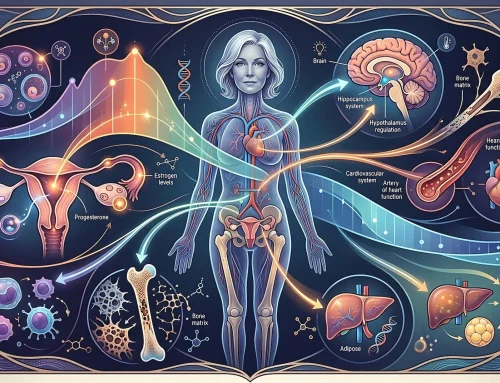
The answer may involve signals originating well beyond the liver. Altered insulin signaling can change lipid trafficking and hepatic metabolism. Dysfunctional adipose tissue can release inflammatory mediators and excess fatty acids that increase metabolic stress. The gut can influence hepatic physiology through microbial metabolites, intestinal barrier function, and immune signaling, while mitochondrial dysfunction and oxidative stress can alter cellular metabolism and inflammatory responses. Sleep disruption, circadian misalignment, nutrition, physical inactivity, psychological stress, medications, and environmental exposures can further modify these signals.
The liver therefore reflects the biological signals reaching it, rather than functioning independently of them. Metabolic and immune signals move continuously between tissues, influencing cellular behavior and tissue function throughout the body (1).
The same interconnected biology extends to the cardiovascular system. Immune activation, oxidative stress, vascular inflammation, and altered metabolic signaling can interact to impair endothelial function and contribute to hypertension and vascular disease (4-5).
A systems-biology perspective does not replace appropriate diagnostic evaluation; it expands the clinical lens. Rather than stopping at the site where dysfunction becomes measurable, we can ask what network of signals may be contributing to its development, persistence, and progression.
The Gut–Brain–Immune Connection
The gut provides another example of interconnected physiology. The intestinal barrier and microbiome are active participants in metabolic and immune regulation. Microbial metabolites influence host metabolism and immune signaling, while diet, inflammation, and host physiology can in turn alter the microbial ecosystem. Research on gut microbiota-derived indole compounds, for example, demonstrates how microbial metabolism can influence hepatic lipid metabolism and inflammation in metabolic dysfunction-associated steatotic liver disease (6).
The gut is also connected to the brain through neural, endocrine, metabolic, and immune pathways. Psychological stress can alter intestinal physiology and inflammatory responses through neuroimmune signaling. Research demonstrates that the enteric nervous system relays psychological stress to intestinal inflammatory pathways, providing a mechanistic link between psychological state and tissue-level immune activity (7).
The microbiota-gut-immune-brain axis links chronic stress, intestinal dysfunction, immune activation, and mental health (8).
Clinical findings also support these connections. Higher systemic immune-inflammation index (SII) values have been associated with greater depression severity in clinical populations (9). Similarly, SII and other hematologic inflammatory indices have been associated with dementia severity in patients with Alzheimer’s disease (10). These findings illustrate the interplay between immune, metabolic, and neurobiological processes.
Circadian Biology Adds Another Layer
The timing of biological signals also matters. Nearly every cell contains molecular clock machinery that coordinates gene expression with the 24-hour cycle. Feeding and fasting, energy metabolism, immune activity, and cellular repair all fluctuate throughout the day (11).
Circadian metabolism influences macrophage activity and inflammatory responses, while disruption of the circadian rhythm has been implicated in conditions such as obesity and aging (12). More broadly, the intersection of circadian biology, metabolism, and immunity—circadian immunometabolism—provides a framework for understanding how sleep disruption, shift work, altered meal timing, and other disturbances of biological timing influence the risk of chronic disease (11, 13).
Mitochondria, Redox Balance, & the Inflammatory Set Point
Mitochondria sit at the intersection of energy production, redox signaling, cellular stress responses, and immunity. Reactive oxygen species (ROS) are not inherently harmful; at appropriate levels, mitochondrial ROS function as signaling molecules involved in normal immune responses. Problems emerge when ROS production and antioxidant defenses become persistently mismatched, disrupting redox homeostasis and altering immune cell function (3).
From Local Dysfunction to Systemic Disease
Immunometabolic dysfunction becomes particularly evident across chronic disease.
Insulin resistance, dyslipidemia, hypertension, adipose inflammation, fatty liver, and atherosclerosis share overlapping metabolic and inflammatory pathways (4-5). Inflammasome signaling provides another mechanistic link between metabolic stress, inflammatory cytokine production, and tissue injury across conditions such as obesity, diabetes, atherosclerosis, and sarcopenia (14).
Autoimmune disease adds another dimension. Immune-cell metabolic reprogramming can alter the balance between inflammatory and regulatory responses, contributing to persistent immune activation in susceptible individuals (15).
Metabolic dysfunction can also impair immune competence. Recent work in type 2 diabetes demonstrates alterations in neutrophil functional plasticity and mitochondrial function, illustrating how metabolic disease can simultaneously promote chronic inflammatory signaling while impairing aspects of appropriate immune response (16).
This apparent contradiction—persistent inflammation alongside impaired immune defense—highlights that immune dysregulation is not simply immune overactivity, but an inappropriate response to biological context.
The Clinical Opportunity Is Upstream
Immunometabolic biomarkers offer objective measures of systemic inflammatory activity. Measures such as the Systemic Immune-Inflammation Index (SII) and Systemic Inflammation Response Index (SIRI) may help establish a baseline, identify patterns for further investigation, and monitor change over time.
Recalibrating the System
Once chronic disease is viewed through an immunometabolic lens, intervention shifts from simply reducing inflammation to addressing the conditions that sustain it.
Key targets include metabolic health, circadian alignment, gut integrity, stress physiology, and environmental exposures. Improving nutrient quality, supporting metabolic flexibility, incorporating regular physical activity, and addressing energy excess where relevant can support metabolic health. Polyphenols and flavonoids, for example, have demonstrated antioxidant and immune-modulating activity across a broad body of research (17).
Consistent sleep-wake timing, appropriate light exposure, and meal timing can reinforce circadian regulation of metabolism and immune function (11-12). Supporting intestinal barrier integrity and a diverse, metabolically functional microbiome can influence immune and metabolic signaling beyond the gut (6). Addressing chronic psychological stress and reducing avoidable environmental exposures may further support immune and metabolic regulation (7-8).
From Insight to Implementation
Immunometabolism shifts the clinical focus from isolated abnormalities to the biological relationships that sustain them. Rather than asking only, Where is the disease? we can ask, What biological signals are sustaining it?
The emerging science reinforces a principle long recognized in functional medicine: chronic disease is rarely the product of a single defect. It reflects dynamic interactions across metabolic, immune, mitochondrial, gastrointestinal, neuroendocrine, circadian, and environmental pathways. Recognizing these connections creates opportunities to identify dysfunction earlier, personalize intervention, and move care upstream.
Join our webinar on 10/6 from 5–7 PM Pacific Time: From Insight to Implementation: Using Immunometabolic Biomarkers to Assess, Personalize, and Scale Patient Care, featuring Jeff Bland, PhD, Austin Perlmutter, MD, and Jeff Gladd, MD, followed by a panel discussion.
The session will connect immunometabolic science with practical applications of biomarkers such as SII and SIRI for patient assessment, risk stratification, intervention planning, and longitudinal monitoring.
References
- Hu, T., Liu, CH., Lei, M. et al. Metabolic regulation of the immune system in health and diseases: mechanisms and interventions. Sig Transduct Target Ther 9, 268 (2024). https://doi.org/10.1038/s41392-024-01954-6
- Sindhu S, Ahmad R. Metabolic Inflammation and Cellular Immunity. Cells. 2023 Jun 13;12(12):1615. doi: 10.3390/cells12121615. PMID: 37371085; PMCID: PMC10297127.
- Weinberg SE, Chandel NS. Mitochondria reactive oxygen species signaling-dependent immune responses in macrophages and T cells. Immunity. 2025 Aug 12;58(8):1904-1921. doi: 10.1016/j.immuni.2025.07.012. Epub 2025 Aug 4. PMID: 40763730; PMCID: PMC12371701.
- Xu S, Lu F, Gao J, Yuan Y. Inflammation-mediated metabolic regulation in adipose tissue. Obes Rev. 2024 Jun;25(6):e13724. doi: 10.1111/obr.13724. Epub 2024 Feb 26. PMID: 38408757.
- Zhang Z, Zhao L, Zhou X, Meng X, Zhou X. Role of inflammation, immunity, and oxidative stress in hypertension: New insights and potential therapeutic targets. Front Immunol. 2023 Jan 10;13:1098725. doi: 10.3389/fimmu.2022.1098725. PMID: 36703963; PMCID: PMC9871625.
- Min BH, Devi S, Kwon GH, Gupta H, Jeong JJ, Sharma SP, Won SM, Oh KK, Yoon SJ, Park HJ, Eom JA, Jeong MK, Hyun JY, Stalin N, Park TS, Choi J, Lee DY, Han SH, Kim DJ, Suk KT. Gut microbiota-derived indole compounds attenuate metabolic dysfunction-associated steatotic liver disease by improving fat metabolism and inflammation. Gut Microbes. 2024 Jan-Dec;16(1):2307568. doi: 10.1080/19490976.2024.2307568. Epub 2024 Feb 1. PMID: 38299316; PMCID: PMC10841017.
- Schneider KM, Blank N, Alvarez Y, Thum K, Lundgren P, Litichevskiy L, Sleeman M, Bahnsen K, Kim J, Kardo S, Patel S, Dohnalová L, Uhr GT, Descamps HC, Kircher S, McSween AM, Ardabili AR, Nemec KM, Jimenez MT, Glotfelty LG, Eisenberg JD, Furth EE, Henao-Mejia J, Bennett FC, Pierik MJ, Romberg-Camps M, Mujagic Z, Prinz M, Schneider CV, Wherry EJ, Bewtra M, Heuckeroth RO, Levy M, Thaiss CA. The enteric nervous system relays psychological stress to intestinal inflammation. Cell. 2023 Jun 22;186(13):2823-2838.e20. doi: 10.1016/j.cell.2023.05.001. Epub 2023 May 25. PMID: 37236193; PMCID: PMC10330875.
- Warren A, Nyavor Y, Beguelin A, Frame LA. Dangers of the chronic stress response in the context of the microbiota-gut-immune-brain axis and mental health: a narrative review. Front Immunol. 2024 May 2;15:1365871. doi: 10.3389/fimmu.2024.1365871. PMID: 38756771; PMCID: PMC11096445.
- Bai Y, Fang Z, Dai H, Zhang Q, You P. The correlation between systemic immune-inflammation index and major depression in patients with depression. Frontiers in Psychiatry. 2025;16:1580151.
- Algul FE, Kaplan Y. Increased Systemic Immune-Inflammation Index as a Novel Indicator of Alzheimer’s Disease Severity. Journal of Geriatric Psychiatry and Neurology. 2025;38(3):214–222.
- Carroll RG, Timmons GA, Cervantes-Silva MP, Kennedy OD, Curtis AM. Immunometabolism around the Clock. Trends Mol Med. 2019 Jul;25(7):612-625. doi: 10.1016/j.molmed.2019.04.013. Epub 2019 May 29. PMID: 31153819.
- Sun Y, Jiang W, Horng T. Circadian metabolism regulates the macrophage inflammatory response. Life Metab. 2022 Dec 9;1(3):224-233. doi: 10.1093/lifemeta/loac037. PMID: 39872076; PMCID: PMC11749265.
- Tomar MS, Mohit, Kumar A, Shrivastava A. Circadian immunometabolism: A future insight for targeted therapy in cancer. Sleep Med Rev. 2025 Apr;80:102031. doi: 10.1016/j.smrv.2024.102031. Epub 2024 Nov 19. PMID: 39603026.
- Han JH. Immuno-metabolic diseases and therapeutics: molecular mechanisms via inflammasome signaling. Cell Commun Signal. 2025 Aug 19;23(1):373. doi: 10.1186/s12964-025-02368-9. PMID: 40830886; PMCID: PMC12362934.
- Chen Y, Lin Q, Cheng H, Xiang Q, Zhou W, Wu J, Wang X. Immunometabolic shifts in autoimmune disease: Mechanisms and pathophysiological implications. Autoimmun Rev. 2025 Feb 28;24(3):103738. doi: 10.1016/j.autrev.2024.103738. Epub 2024 Dec 30. PMID: 39743123.
- Ganesh K, Gomes SM, Vasishta S, Poojary G, Thimmappa PY, Peesapati S, Kabekkodu SP, Mallya S, Guruprasad KP, Singh A, Umakanth S, Chakraborty S, Joshi MB. Immuno-metabolic dysregulation in type 2 diabetes is associated with altered neutrophil functional plasticity, mitochondrial dysfunction, and compromised responses in sepsis. J Transl Med. 2026 Jan 10;24(1):156. doi: 10.1186/s12967-026-07696-z. PMID: 41520116; PMCID: PMC12882159.
- Jomova K, Alomar SY, Valko R, Liska J, Nepovimova E, Kuca K, Valko M. Flavonoids and their role in oxidative stress, inflammation, and human diseases.