
Epigenetic Testing: Translating Insights on Biological Aging, Inflammation & Immune Cell Patterns into Clinical Context
Aging is one of the strongest risk factors for chronic disease, physical and cognitive decline, and mortality. Yet chronological age provides only a limited view of how an individual is aging biologically.
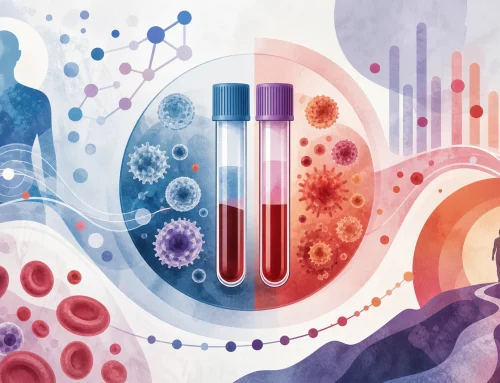
Two people of the same chronological age can have very different trajectories of metabolic health, immune function, cognitive health, and resilience. Epigenetic testing offers one emerging way to explore these differences. By examining patterns of DNA methylation, these tests can provide information related to biological aging and, depending on the test, reveal patterns of immune-cell composition and other biological processes relevant to inflammation and overall health.
What Can Epigenetic Testing Reveal?
Epigenetics describes mechanisms that influence gene regulation without changing the underlying DNA sequence. One of the most studied mechanisms is DNA methylation, in which methyl groups are added to specific sites on DNA. Because these patterns can change over the lifespan in response to biological and environmental influences, they can be analyzed as markers of aging and other physiological processes.
DNA methylation testing examines patterns across many sites in the genome. Algorithms can generate measures of biological age, aging pace, or broader models of physiological aging. Emerging multi-omics approaches also combine molecular aging measures with clinical data (1).
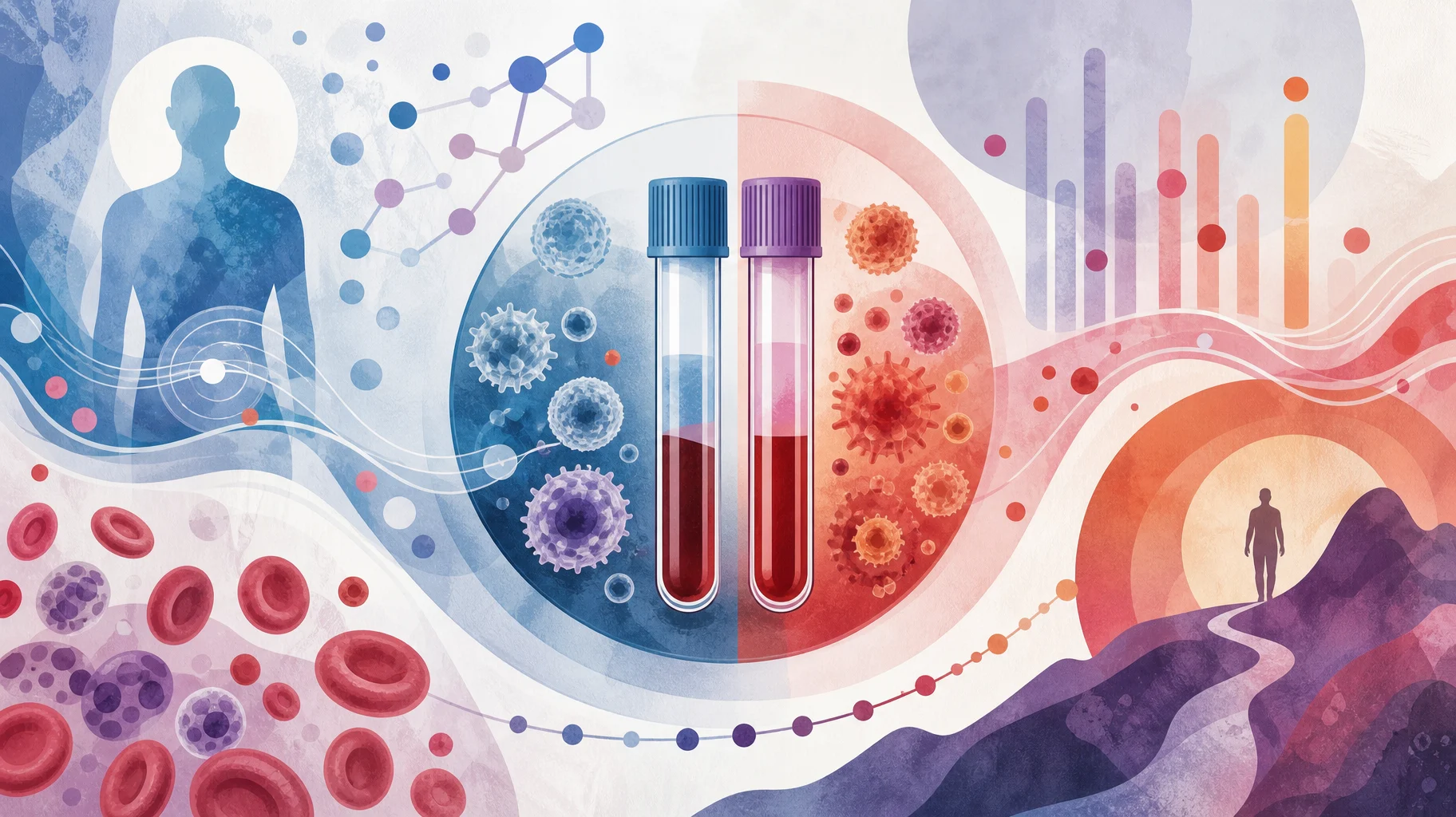
Whole-blood methylation data can also be analyzed using cell-type deconvolution, which estimates the relative proportions of different blood-cell populations. This is relevant as immune-cell composition changes with age and can influence interpretation of blood-based epigenetic measures. Some platforms may also report methylation patterns associated with pathways such as inflammation, stress response, metabolism, mitochondrial function, or circadian biology.
For clinicians, the key is to treat these outputs as biological signals and interpret them alongside history, symptoms, laboratory data, and lifestyle factors.
Biological Age: Looking Beyond the Calendar
Biological age reflects the observation that chronological age does not fully capture how individuals age (2). Epigenetic clocks are among the most studied approaches, but different clocks estimate different outcomes, including mortality risk and physiological aging.
There is no single, universally accepted measure of “biological age.” A higher biological-age estimate may indicate a methylation pattern associated with greater aging-related risk or physiological burden; it does not mean cells are literally a certain number of years “older.”
Poganik and colleagues observed reversible changes in biological-age measures during major physiological stress, including surgery, pregnancy, and severe COVID-19, with some measures moving toward baseline during recovery (3). This suggests that some epigenetic aging measures reflect dynamic physiological state as well as longer-term aging, making clinical context and longitudinal trends important.
A 2024 Nature Medicine review emphasized the need to validate aging biomarkers across populations, measurement conditions, reproducibility, and meaningful health outcomes (4).
Why Immune-Cell Patterns Matter
Aging and immune function are closely interconnected. Blood-based epigenetic testing can estimate relative proportions of immune-cell populations through cell-type deconvolution.
In an analysis of more than 10,000 blood samples, Zhang and colleagues found associations between estimated immune-cell proportions and epigenetic age acceleration across six commonly used DNA methylation clocks (5). Greater proportions of some memory lymphocyte populations were associated with higher epigenetic age acceleration, while higher proportions of naïve lymphocyte populations were associated with lower acceleration.
These findings highlight why immune-cell composition matters when interpreting blood-based epigenetic measures. An altered pattern may prompt questions about immune health, inflammation, infection history, metabolic health, sleep, and other physiological factors.
Connecting Biological Aging with Inflammation
Aging is accompanied by changes in inflammatory and immune signaling, contributing to growing interest in inflammaging. Epigenetic research has identified methylation patterns associated with inflammation, oxidative stress, immune regulation, and aging. These processes are also influenced by metabolic health, adiposity, sleep, chronic psychological stress, infection, oral and gastrointestinal health, environmental exposures, and physical activity.
Conventional biomarkers therefore remain important. Measures such as hs-CRP, CBC with differential, NLR, SII, SIRI, glucose and insulin, HbA1c, lipids, ferritin, and fibrinogen can provide complementary information about current physiology.
SII, SIRI & Biological Age: Different Measures, Different Time Scales
The Systemic Immune-Inflammation Index (SII) and Systemic Inflammation Response Index (SIRI) are calculated from routine blood-cell measurements: SII incorporates platelets, neutrophils, and lymphocytes, while SIRI incorporates neutrophils, monocytes, and lymphocytes.
In a 2025 analysis of 1,915 adults from NHANES, higher SII was associated with greater epigenetic age acceleration across several measures, including HannumAccel, PhenoAgeAccel, GrimAge2Accel, and DunedinPoAm (6). Although the observational design cannot establish causation, the findings suggest that systemic inflammation and epigenetic measures of biological aging may be interconnected.
Wang and colleagues analyzed 2,194 older adults from NHANES and found that higher SII and SIRI were associated with poorer cognitive performance after adjustment for multiple factors (7). Neither index diagnoses cognitive decline or neuroinflammation, but both may provide useful context within a broader assessment of aging and health.
Stress, the Nervous System & Epigenetic Aging
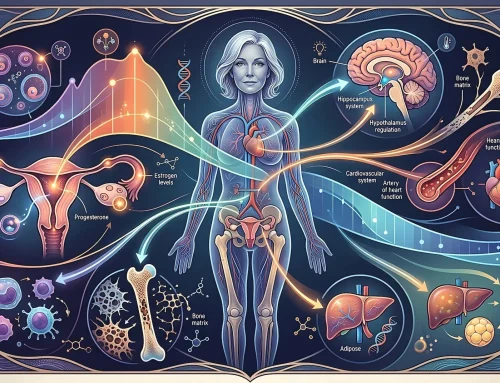
Chronic stress is an important area of research in biological aging. Stress involves coordinated responses across the nervous, endocrine, metabolic, and immune systems. Repeated or prolonged activation can influence sleep, glucose regulation, autonomic function, immune signaling, and behavior, contributing to cumulative physiological burden or allostatic load. These pathways also intersect with brain health, mood, and cognition.
DNA methylation provides one potential molecular interface between environmental experiences and longer-term biological patterns. Some methylation sites incorporated into aging algorithms are responsive to glucocorticoid signaling, and research has linked stress exposure with epigenetic measures of aging.
This reinforces the importance of considering stress, sleep, circadian rhythm, recovery, physical activity, and metabolic health when interpreting aging measures.
From Biological-Age Data to Clinical Context
The clinical value of epigenetic testing may lie less in identifying what is wrong than in prompting questions about what may be influencing biological aging. An accelerated biological-age measure is not a diagnosis, but it may provide a starting point for exploring modifiable factors across sleep, metabolism, nutrition, inflammation, stress, movement, relationships, and environmental exposures.
For an individual with an accelerated biological-age measure, a clinician might consider:
- Sleep & circadian biology: Is sleep adequate, consistent, and restorative? Are there signs of sleep-disordered breathing, shift work, or circadian disruption? Recent research found a U-shaped relationship between sleep duration and biological-age measures, with the lowest biological-age gaps at approximately 6.4–7.8 hours, depending on organ and sex (8). Circadian disruption may also contribute to age-related decline (9).
- Metabolic health: What are fasting glucose and insulin, triglycerides, and HDL? Is there evidence of insulin resistance or visceral adiposity? Metabolomic research has identified patterns associated with biological aging and related risk (10).
- Nutrition: Is dietary intake adequate in protein, micronutrients, fiber, and essential fatty acids? Are there digestive or absorption concerns? The Mediterranean diet and intermittent fasting have been studied in relation to biological-age measures (11).
- Inflammatory & immune health: What do hs-CRP and the CBC differential show? Are SII or SIRI persistently elevated? Are there clinical signs of infection, oral inflammation, or another inflammatory process?
- Stress physiology & recovery: What is the overall stress burden, and is recovery adequate? Perceived stress and stressful life events are associated with accelerated epigenetic aging (12).
- Movement & physical activity: Is activity regular and sustainable, with adequate recovery? Research suggests yoga supports autonomic regulation and may reduce inflammatory signaling and oxidative stress, as well as favorable changes in molecular markers related to cellular aging (13).
- Connection & relationships: Is there meaningful social connection and adequate support? Lower relationship support and fewer close relationships have been associated with accelerated epigenetic aging (14).
- Environmental & behavioral factors: What is the history of tobacco, alcohol, or other relevant environmental exposures? Tobacco use and certain environmental exposures have been associated with accelerated epigenetic aging (15-16).
Interpreting the Results: Context Is Essential
Epigenetic testing is an evolving field, and results require careful interpretation.
Whole blood reflects blood biology. Most methylation tests use whole blood, which contains multiple cell types. This can provide useful information about immune-cell composition but should not be interpreted as a direct measure of biological processes in every tissue.
Different clocks measure different outcomes. There is no single biological-age clock. Algorithms are developed using different datasets and endpoints, so results from different platforms are not necessarily interchangeable (4).
Physiological state can influence measurements. Major illness and acute physiological stress can affect biological-age measures, as demonstrated by Poganik et al. (2023) (3). Longitudinal trends may therefore provide more useful context than a single measurement.
Association does not establish causation. A methylation pattern associated with inflammation does not show that inflammation caused the change, just as an association between SII and epigenetic age acceleration does not establish that systemic inflammation accelerates biological aging (6).
Clinical validity remains important. Aging biomarkers need to be evaluated across populations, measurement conditions, analytical approaches, and meaningful health outcomes before research findings can be translated confidently into clinical practice (4).
Putting Epigenetic Testing Into Practice
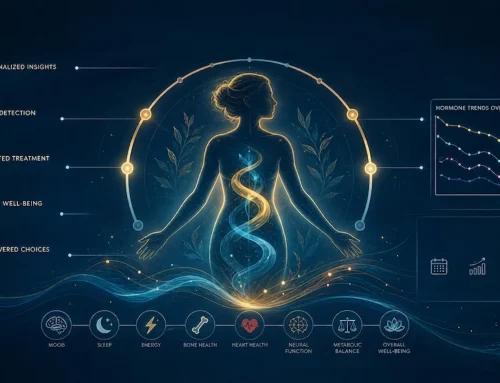
For clinicians, epigenetic testing may add another dimension to longitudinal assessment, with biological-age and immune-cell measures interpreted alongside clinical history, conventional biomarkers, and lifestyle factors.
An accelerated biological-age measure in the context of poor sleep, metabolic dysfunction, elevated inflammatory markers, or chronic stress may reinforce the value of investigating potentially modifiable contributors. Similarly, an altered immune-cell pattern may prompt consideration of inflammatory, infectious, metabolic, or sleep-related factors.
A More Nuanced View of Biological Aging
Epigenetic testing is best viewed not as a way to discover an individual’s “true biological age,” but as one molecular lens for exploring patterns of biological aging and health trajectory. Biological aging is multifactorial, shaped by genetics, metabolism, immune function, stress, sleep, physical activity, environmental exposures, and lived experience.
For practitioners, the value lies in moving from a number to a pattern, and from a pattern to better clinical questions. Epigenetic measures cannot predict the future with certainty, but may help characterize biological variability, monitor health trajectories, and identify areas for individualized assessment.
Continuing the Conversation: Beyond Conventional Biomarkers
How might epigenetic information complement conventional biomarkers and inform a more individualized approach to patient care? This question will be explored in the upcoming webinar, Beyond Conventional Biomarkers: Using Epigenetics to Personalize Patient Care, taking place November 17 from 5:00–7:00 PM PT.
The session will explore the clinical application of DNA methylation testing, including biological age and pace-of-aging measures, inflammatory and exposure-related signatures, immune-cell composition, longitudinal assessment, and interpretation alongside conventional biomarkers. Speakers include Bridget Briggs, MD, Loren Clarke, MD, and Adiv Johnson, PhD, and the session concludes with a panel discussion led by Dr. Briggs.
References
- Chen Q, Dwaraka VB, Carreras-Gallo N, Mendez K, Chen Y, Begum S, Kachroo P, Prince N, Went H, Mendez T, Lin A, Turner L, Moqri M, Chu SH, Kelly RS, Weiss ST, Rattray NJW, Gladyshev VN, Karlson E, Wheelock C, Mathé EA, Dahlin A, McGeachie MJ, Smith R, Lasky-Su JA. OMICmAge: An integrative multi-omics approach to quantify biological age with electronic medical records. bioRxiv [Preprint]. 2023 Oct 24:2023.10.16.562114. doi: 10.1101/2023.10.16.562114. PMID: 37904959; PMCID: PMC10614756.
- Jylhävä J, Pedersen NL, Hägg S. Biological Age Predictors. 2017 Jul;21:29-36. doi: 10.1016/j.ebiom.2017.03.046. Epub 2017 Apr 1. PMID: 28396265; PMCID: PMC5514388.
- Poganik JR, Zhang B, Baht GS, Tyshkovskiy A, Deik A, Kerepesi C, Yim SH, Lu AT, Haghani A, Gong T, Hedman AM, Andolf E, Pershagen G, Almqvist C, Clish CB, Horvath S, White JP, Gladyshev VN. Biological age is increased by stress and restored upon recovery. Cell Metab. 2023 May 2;35(5):807-820.e5. doi: 10.1016/j.cmet.2023.03.015. Epub 2023 Apr 21. PMID: 37086720; PMCID: PMC11055493.
- Moqri M, Herzog C, Poganik JR, Ying K, Justice JN, Belsky DW, Higgins-Chen AT, Chen BH, Cohen AA, Fuellen G, Hägg S, Marioni RE, Widschwendter M, Fortney K, Fedichev PO, Zhavoronkov A, Barzilai N, Lasky-Su J, Kiel DP, Kennedy BK, Cummings S, Slagboom PE, Verdin E, Maier AB, Sebastiano V, Snyder MP, Gladyshev VN, Horvath S, Ferrucci L. Validation of biomarkers of aging. Nat Med. 2024 Feb;30(2):360-372. doi: 10.1038/s41591-023-02784-9. Epub 2024 Feb 14. PMID: 38355974; PMCID: PMC11090477.
- Zhang Z, Reynolds SR, Stolrow HG, Chen JQ, Christensen BC, Salas LA. Deciphering the role of immune cell composition in epigenetic age acceleration: Insights from cell-type deconvolution applied to human blood epigenetic clocks. Aging Cell. 2024 Mar;23(3):e14071. doi: 10.1111/acel.14071. Epub 2023 Dec 25. PMID: 38146185; PMCID: PMC10928575.
- Liu R, Liu M, Wang C, Tao Z, Hu G. Association of systemic immune-inflammation index (SII) with epigenetic age acceleration in adults: insights from NHANES. 2025 Dec;20(1):2541248. doi: 10.1080/15592294.2025.2541248. Epub 2025 Aug 4. PMID: 40758856; PMCID: PMC12323417.
- Wang X, Wen Q, Li Y, Zhu H, Zhang F, Li S, Zhan L, Li J. Systemic inflammation markers (SII and SIRI) as predictors of cognitive performance: evidence from NHANES 2011-2014. Front Neurol. 2025 May 9;16:1527302. doi: 10.3389/fneur.2025.1527302. PMID: 40417122; PMCID: PMC12098094.
- O’Toole CK, Song Z, Anagnostakis F, Yang Z, Tian YE, Duggan MR, Zou C, Leng Y, Cai Y, Bai W, Fu CHY, Rafii MS, Aisen P, Wang G, De Jager PL, Zeng J, Oh HS, Zhou X, Walker KA, Belsky DW, Zalesky A, Simonsick EM, Resnick SM, Ferrucci L, Davatzikos C, Wen J. Sleep chart of biological ageing clocks in middle and late life. Nature. 2026 May 13:10.1038/s41586-026-10524-5. doi: 10.1038/s41586-026-10524-5. Epub ahead of print. Erratum in: Nature. 2026 Aug;656(8128):E39. doi: 10.1038/s41586-026-10920-x. PMID: 42129562; PMCID: PMC13321099.
- Verma AK, Singh S, Rizvi SI. Circadian clock and its effect on aging and lifespan. 2025 Jun 27;26(4):132. doi: 10.1007/s10522-025-10281-4. PMID: 40576851.
- Zhang S, Wang Z, Wang Y, Zhu Y, Zhou Q, Jian X, Zhao G, Qiu J, Xia K, Tang B, Mutz J, Li J, Li B. A metabolomic profile of biological aging in 250,341 individuals from the UK Biobank. Nat Commun. 2024 Sep 15;15(1):8081. doi: 10.1038/s41467-024-52310-9. PMID: 39278973; PMCID: PMC11402978.
- Albright SM, Poganik JR, Gladyshev VN. Nutritional Strategies for Targeting Biological Age. Annu Rev Nutr. 2026 Aug;46(1):315-337. doi: 10.1146/annurev-nutr-062322-025848. PMID: 42629322.
- Goering M, Bourassa KJ, Weinstein M, Auger AP, Brown CK. The role of health behaviors in links between stress and epigenetic aging. Brain Behav Immun Health. 2026 Feb 3;52:101194. doi: 10.1016/j.bbih.2026.101194. PMID: 41717551; PMCID: PMC12914688.
- Manjunath NK. Healthy Aging: A Natural Consequence of Adopting a Yoga-based Int J Yoga. 2026 May-Aug;19(2):117-119. doi: 10.4103/ijoy.ijoy_174_26. Epub 2026 Jul 24. PMID: 42553936; PMCID: PMC13436601
- Rentscher KE, Klopack ET, Crimmins EM, Seeman TE, Cole SW, Carroll JE. Social relationships and epigenetic aging in older adulthood: Results from the Health and Retirement Study. Brain Behav Immun. 2023 Nov;114:349-359. doi: 10.1016/j.bbi.2023.09.001. Epub 2023 Sep 7. PMID: 37683960; PMCID: PMC10650967.
- Beach SR, Dogan MV, Lei MK, Cutrona CE, Gerrard M, Gibbons FX, Simons RL, Brody GH, Philibert RA. Methylomic Aging as a Window onto the Influence of Lifestyle: Tobacco and Alcohol Use Alter the Rate of Biological Aging. J Am Geriatr Soc. 2015 Dec;63(12):2519-2525. doi: 10.1111/jgs.13830. Epub 2015 Nov 14. PMID: 26566992; PMCID: PMC4906951.
- Fadadu RP, Bozack AK, Cardenas A. Chemical and climatic environmental exposures and epigenetic aging: A systematic review.