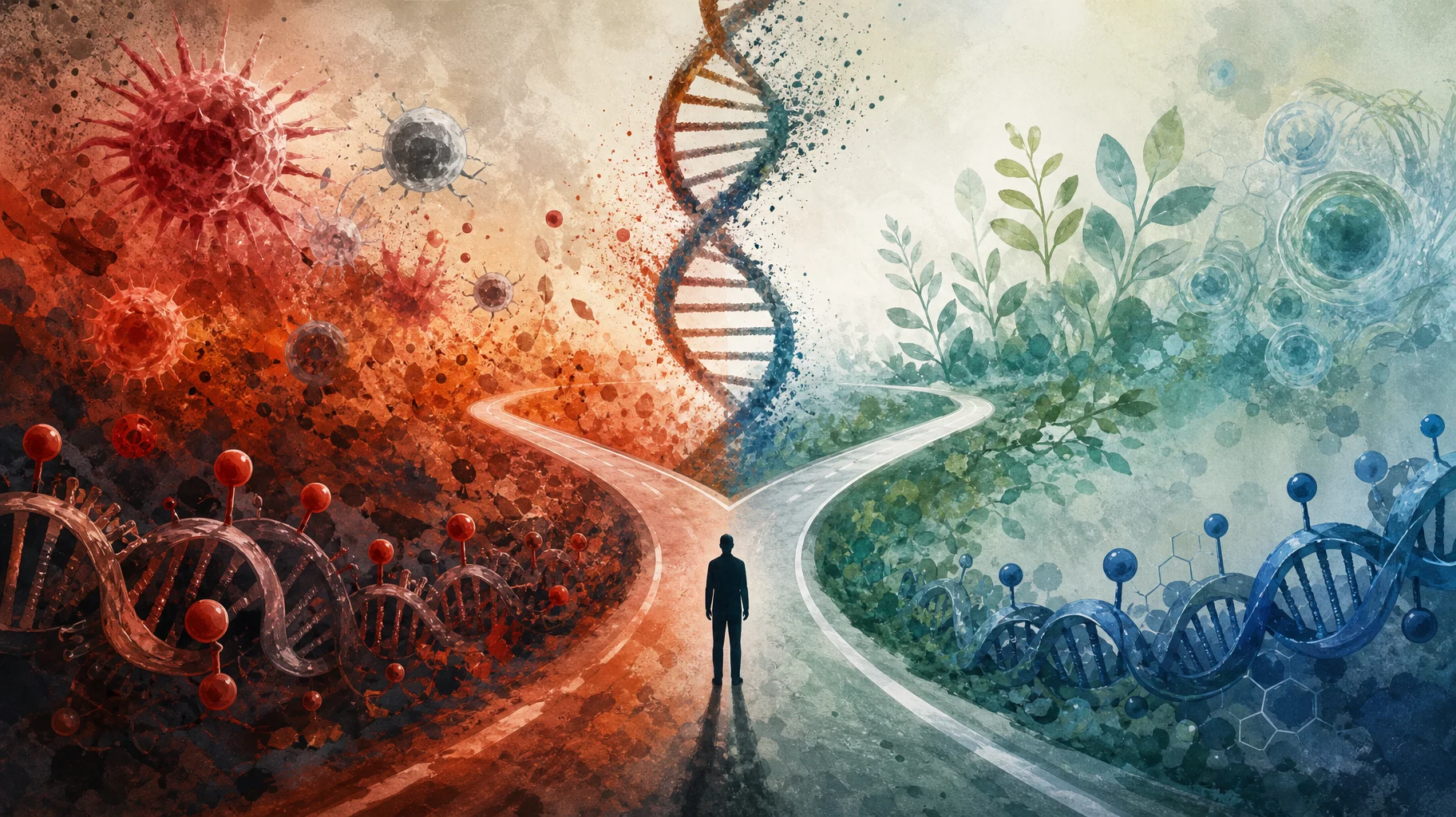
The Epigenetic Crossroads: How Chronic Inflammation Shapes DNA Methylation
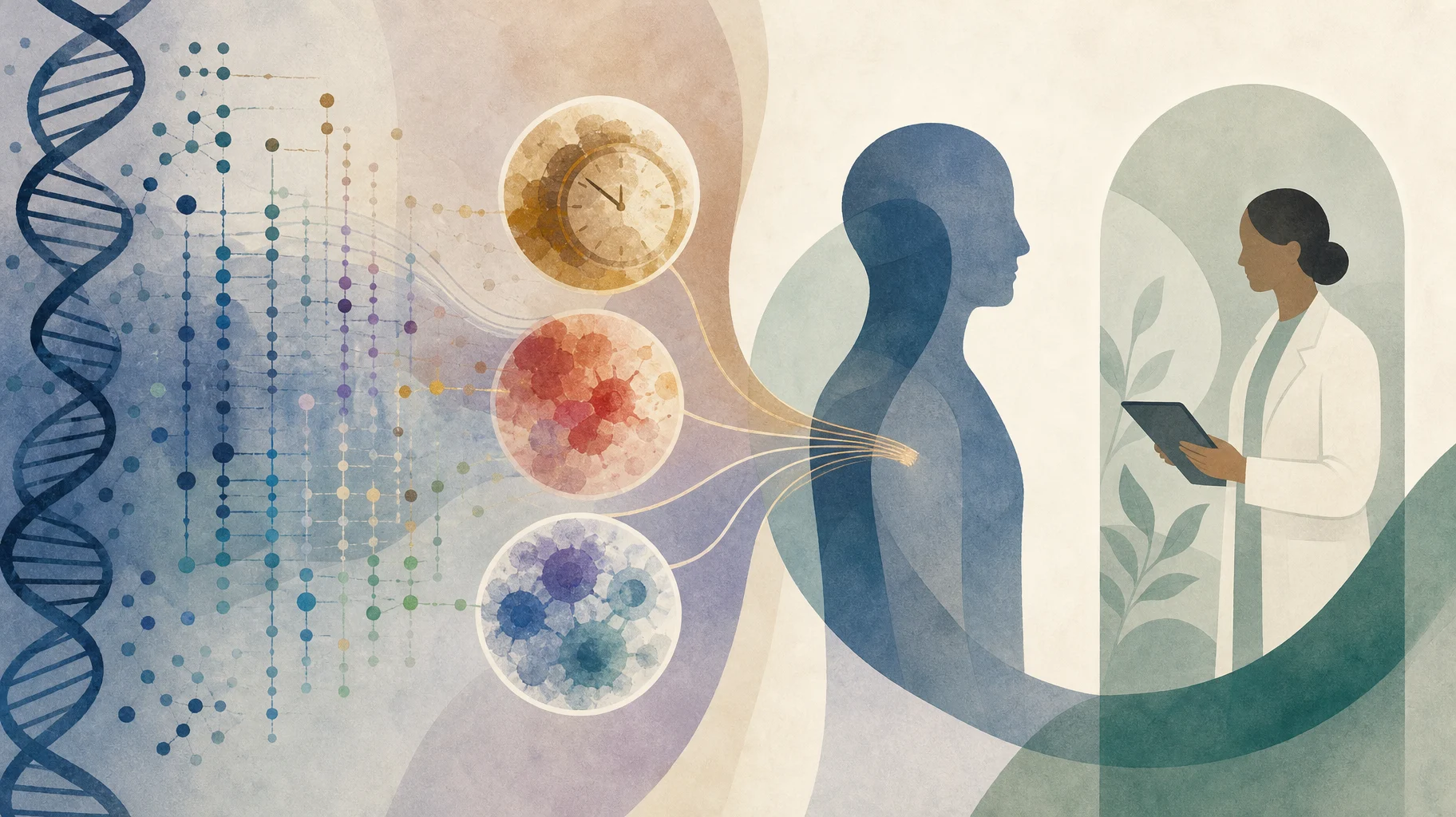
Methylation reactions occur billions of times per second throughout the body, supporting essential cellular functions that sustain health (1). Methylation-related pathways contribute to gene regulation, cellular energy production, neurotransmitter and hormone metabolism, cell membrane structure, DNA repair, and the metabolism of certain compounds involved in detoxification. Chronic low-grade inflammation can contribute to changes in DNA methylation patterns, which may, in turn, influence gene regulation, with implications for biological processes involved in health, mood, and healthy aging.
When inflammatory signaling persists, factors such as metabolic dysfunction, psychological stress, disrupted sleep, or ongoing immune and environmental challenges may contribute to an inflammatory response that extends beyond its protective role. Over time, sustained inflammatory signaling can alter the cellular environment through interconnected processes involving oxidative stress, nutrient metabolism, and the biochemical pathways that support DNA methylation.
HOW INFLAMMATION INTERSECTS WITH THE METHYLATION LANDSCAPE
Inflammatory Signaling & Epigenetic Regulation
DNA methylation involves adding a methyl group to DNA, most commonly at cytosine bases. Depending on the genomic location and cellular context, methylation can influence gene expression. It is not a universal on/off switch; its effects depend on the regulatory region, cell type, and surrounding biological conditions (2).
DNA methylation is one component of a broader epigenetic regulatory network that also includes histone modifications and noncoding RNAs. These mechanisms help regulate gene expression and chromatin accessibility. During inflammation, signaling molecules such as interleukin-6 (IL-6), tumor necrosis factor alpha (TNF-α), and interleukin-1 beta (IL-1β) activate pathways involving transcription factors such as nuclear factor kappa B (NF-κB). These pathways help coordinate the expression of genes involved in immune responses.
When inflammatory signaling persists, it may also influence the enzymes and cellular processes involved in epigenetic regulation, potentially altering DNA methylation patterns and reshaping the regulation of genes involved in immune and metabolic function. Oxidative stress and nutrient availability may further influence these processes, linking inflammatory activity with cellular metabolism.
Acute inflammation is essential for host defense and tissue repair. Persistent inflammatory signaling, however, may alter the cellular environment in ways that influence epigenetic regulation over time. These relationships are bidirectional: inflammatory activity can influence epigenetic patterns, while epigenetic regulation can shape how cells respond to inflammatory signals.
These effects vary by gene, tissue, and cell type; chronic inflammation does not produce a uniform methylation signature, nor does every methylation change impair function.
Oxidative Stress & One-Carbon Metabolism
Inflammation frequently intersects with oxidative stress, which occurs when reactive oxygen species (ROS) exceed the capacity of antioxidant and repair systems to maintain redox balance. Although ROS play important roles in normal signaling, excessive or persistent oxidative stress can damage cellular components and disrupt metabolic pathways.
Oxidative stress may also influence DNA methylation by disrupting the cellular environment, including biochemical pathways that supply methyl groups and the enzymes involved in epigenetic regulation. The processes involved in maintaining methylation patterns may be particularly sensitive to oxidative damage to DNA, and changes in cellular redox balance can affect epigenetic regulation. The effects depend on the cellular context; oxidative stress does not uniformly increase or decrease DNA methylation.
One important connection is one-carbon metabolism, which supports DNA methylation, nucleotide synthesis, and other essential cellular functions. The folate and methionine cycles regulate the availability of S-adenosylmethionine (SAM), a primary methyl donor used in methylation reactions. After donating a methyl group, SAM becomes S-adenosylhomocysteine, which is subsequently converted to homocysteine.
Homocysteine can be recycled to methionine through folate- and vitamin B12-dependent pathways or directed toward transsulfuration, which contributes to cysteine and glutathione synthesis. Glutathione is central to cellular antioxidant defense and helps maintain redox balance. Its synthesis depends on multiple factors, including cysteine availability, enzyme activity, and cellular energy. Glutathione also participates in the metabolism and elimination of certain compounds through detoxification pathways, connecting antioxidant defense with the body’s broader response to metabolic byproducts and environmental exposures.
Folate, vitamins B12, B6, and B2, choline, and betaine support different steps in these interconnected processes. Genetic variation, dietary intake, nutrient absorption, medication use, and physiological demand can all influence pathway function. Variants affecting MTHFR, MTR, or MTRR may influence folate and homocysteine metabolism, although their significance depends on the broader biochemical and clinical context (3-4).
Mitochondria, Cellular Energy, & Methylation
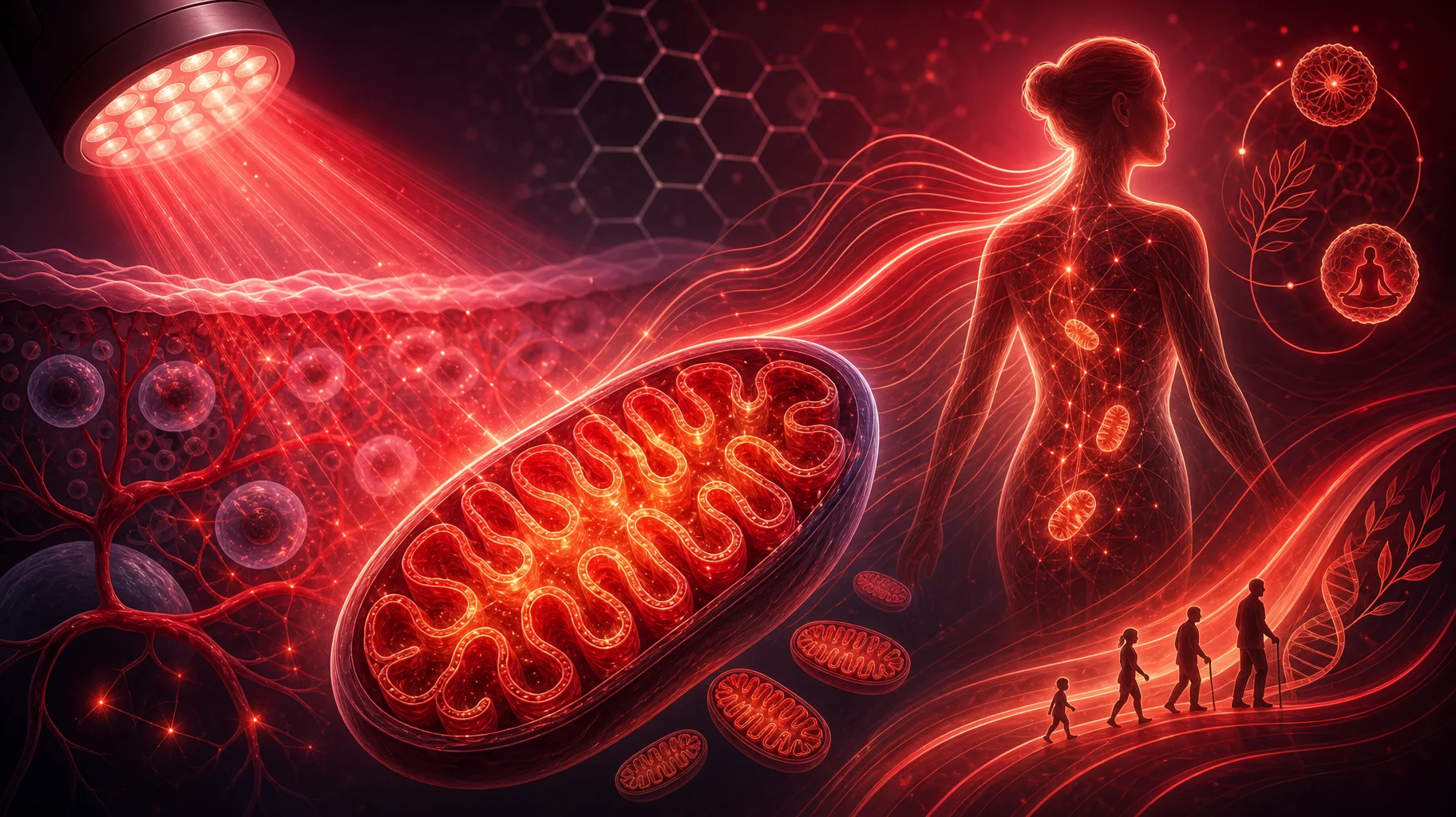
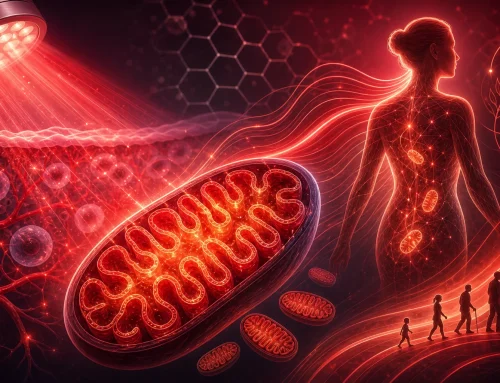
Mitochondria add another dimension to this relationship. Beyond producing cellular energy, they help regulate redox balance and metabolic signaling. Inflammation can impair mitochondrial function, while mitochondrial dysfunction may increase oxidative stress and reinforce inflammatory activity. Cellular energy status and the NAD⁺/NADH balance also influence sirtuin activity, which regulates metabolism and chromatin-related processes.
These connections are relevant across multiple tissues, including the brain, where energy demands are high. Research has examined how altered mitochondrial dynamics—the processes through which mitochondria divide, fuse, and maintain function—may contribute to neuroinflammation and depression (5). Together, these interactions link inflammation, cellular energy metabolism, and epigenetic regulation without establishing a single causal pathway.
Methylation-related biochemistry also supports functions beyond DNA regulation. Methyl-group transfer contributes to creatine synthesis, which helps buffer cellular energy demands, and phosphatidylcholine synthesis, which supports cell membrane structure and function.
The Gut–Immune Connection
The gut microbiome contributes to nutrient processing, metabolite production, immune regulation, and intestinal barrier function. Changes in microbial composition or barrier integrity may influence exposure to microbial products such as lipopolysaccharide (LPS), which can activate innate immune pathways. Gut microbial activity and intestinal function also intersect with broader metabolic pathways involved in processing and eliminating certain compounds.
Increased exposure to microbial products may contribute to systemic inflammatory signaling, connecting intestinal barrier function and host–microbiome interactions with immune and metabolic regulation.
Persistent immune activation may also intersect with epigenetic pathways. Research examining Crohn’s disease has identified relationships among oxidative stress-related gene expression, DNA methylation, and host–microbiome interactions (6). These findings underscore the interconnected roles of gut health, immune activity, inflammation, and epigenetic regulation.
WHY THESE CONNECTIONS MATTER
Immune, Metabolic, & Stress Regulation
Epigenetic patterns may influence genes involved in cytokine signaling, immune-cell activity, insulin signaling, lipid metabolism, and cellular stress responses. These pathways are interconnected, allowing chronic inflammation and metabolic dysfunction to reinforce one another. Insulin resistance, altered glucose regulation, oxidative stress, and inflammatory signaling may therefore reflect overlapping aspects of physiological dysregulation.
Stress physiology provides another valuable connection. The hypothalamic–pituitary–adrenal (HPA) axis coordinates the stress response and influences endocrine, immune, and metabolic activity. Research has examined associations between epigenetic regulation of HPA-axis pathways, trauma, and resilience, as well as links between early-life stress, synaptic function, and vulnerability to depression (7-8). Researchers have also studied DNA methylation of genes involved in neuroplasticity and stress regulation, including BDNF and the glucocorticoid receptor gene (NR3C1), in relation to depression and early-life adversity.
Persistent stress may sustain neuroendocrine and inflammatory signaling, further intersecting with metabolic regulation and DNA methylation. These connections are relevant to the immunometabolic framework of depression, which recognizes that inflammatory and metabolic dysregulation may contribute to depression in some individuals (9).
Together, these pathways illustrate how inflammation, stress physiology, and metabolic function intersect with epigenetic regulation, highlighting the dynamic interplay between biology, lived experience, and mental health.
Epigenetic Patterns & Healthy Aging
DNA methylation patterns are used in epigenetic clocks to estimate aspects of biological aging. Research has linked systemic inflammation with methylation-based aging measures, cognitive impairment, and mortality (10-11). Consistent with these findings, a 2025 analysis associated higher systemic immune-inflammation index (SII) with epigenetic age acceleration across multiple measures (12). Sleep, alcohol consumption, and other exposures have also been studied in relation to methylation patterns and aging-related biomarkers (13-14).
These measures offer complementary insights into aging, but their interpretation depends on the specific test, population, tissue, and outcome studied (15).
A FUNCTIONAL & INTEGRATIVE PERSPECTIVE
From Biomarkers to Individualized Assessment
Biomarkers can help contextualize factors that influence inflammation, nutrient metabolism, and methylation-related pathways, but no single test captures the full methylation landscape.
Homocysteine, for example, provides information about one-carbon metabolism but is not specific to a single nutrient deficiency or methylation abnormality. Depending on the clinical context, assessment may include vitamin B12, folate, methylmalonic acid (MMA), renal function, dietary intake, and medication use.
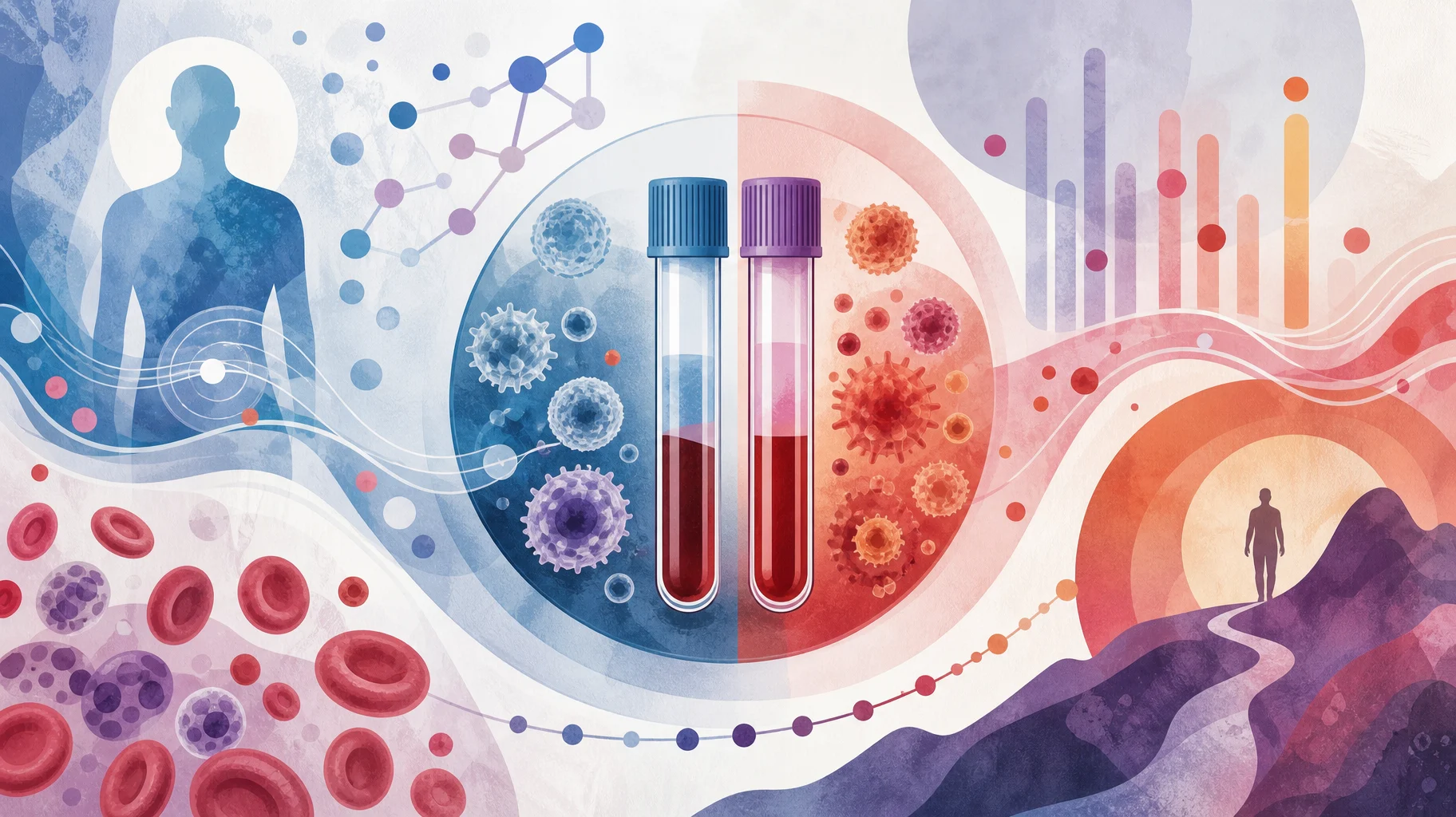
High-sensitivity C-reactive protein (hs-CRP) can help assess systemic inflammation, while a complete blood count with differential, glucose, fasting insulin, hemoglobin A1c, and lipid markers provide complementary information about immune and metabolic status.
These findings are best interpreted alongside symptoms, medical history, nutrition, digestive function, sleep, and stress. Genetic and methylation-based tests may offer additional insights in selected circumstances, but results require context: genetic variants do not necessarily indicate functional impairment, and DNA methylation patterns vary by tissue, age, and exposure history.
Nutrition, Sleep, & Everyday Exposures
Nutrient-dense dietary patterns support one-carbon metabolism and antioxidant defense. Protein, folate, vitamins B12, B6, and B2, choline, and betaine contribute to these pathways, while fiber-rich foods, polyphenols, and omega-3 fatty acids support metabolic and inflammatory health.
An 18-month randomized controlled trial published in Metabolism found that a polyphenol-rich green Mediterranean diet positively influenced DNA methylation and gene expression, including pathways relevant to immune regulation and inflammation (16).
Sleep and circadian rhythms help coordinate hormone signaling, immune activity, energy metabolism, and cellular repair. A 2026 review linked sleep disturbances with DNA methylation changes in pathways involved in circadian regulation, metabolism, and inflammation, as well as accelerated biological aging (13). Sleep disruption and psychological stress may also affect inflammatory signaling and metabolic regulation.
DNA methylation is dynamic and responsive to cellular signals shaped by inflammatory activity, oxidative stress, and nutrient availability. These influences may affect gene regulation across immune, metabolic, and stress-response pathways, illustrating how physiological and environmental exposures intersect with epigenetic regulation.
From Epigenetic Insight to Informed Action
Chronic low-grade inflammation may rewrite aspects of the DNA methylation landscape through interconnected pathways involving oxidative stress, cellular energy, nutrient metabolism, and immune function. These relationships reflect the dynamic interplay among genetics, lifestyle, and lived experience. Understanding these connections can help identify opportunities to support health across the lifespan.
Join our free webinar, Beyond Conventional Biomarkers: Using Epigenetics to Personalize Patient Care, on November 17 from 5–7 p.m. PT, featuring Bridget Briggs, MD, Loren Clarke, MD, and Adiv Johnson, PhD. The session will explore how DNA methylation testing can complement conventional biomarkers through real-world clinical cases, with a focus on biological aging, inflammatory and immune-cell patterns, and practical strategies for translating epigenetic insights into personalized patient care.
References
- Barić I, Staufner C, Augoustides-Savvopoulou P, et al. Consensus recommendations for the diagnosis, treatment and follow-up of inherited methylation disorders. J Inherit Metab Dis. 2017;40(1):5-20. doi:10.1007/s10545-016-9972-7.
- Moore LD, Le T, Fan G. DNA methylation and its basic function. Neuropsychopharmacology. 2013 Jan;38(1):23-38. doi: 10.1038/npp.2012.112. Epub 2012 Jul 11. PMID: 22781841; PMCID: PMC3521964.
- Araf Y, Portlock T, O’Sullivan JM. The Impact of Nutrition on DNA Methylation: Methodological Challenges in Understanding Cause and Effect. Nutrients. 2026; 18(15):2453. https://doi.org/10.3390/nu18152453
- Hussain SA, Sarker MI, Liu Y, Jin TZ. DNA Methylation and Its Role in Personalized Nutrition: Mechanisms, Clinical Insights, and Future Perspectives. Int J Mol Sci. 2026 Jan 6;27(2):566. doi: 10.3390/ijms27020566. PMID: 41596220; PMCID: PMC12841049.
- Chen H, Lu M, Lyu Q, Shi L, Zhou C, Li M, Feng S, Liang X, Zhou X, Ren L. Mitochondrial dynamics dysfunction: Unraveling the hidden link to depression. Biomed Pharmacother. 2024 Jun;175:116656. doi: 10.1016/j.biopha.2024.116656. Epub 2024 Apr 27. PMID: 38678964.
- Xu S, Li X, Zhang S, Qi C, Zhang Z, Ma R, Xiang L, Chen L, Zhu Y, Tang C, Bourgonje AR, Li M, He Y, Zeng Z, Hu S, Feng R, Chen M. Oxidative stress gene expression, DNA methylation, and gut microbiota interaction trigger Crohn’s disease: a multi-omics Mendelian randomization study. BMC Med. 2023 May 11;21(1):179. doi: 10.1186/s12916-023-02878-8. PMID: 37170220; PMCID: PMC10173549.
- Khan Z, Messiri NE, Iqbal E, Hassan H, Tanweer MS, Sadia SR, Taj M, Zaidi U, Yusuf K, Syed NI, Zaidi M. On the role of epigenetic modifications of HPA axis in posttraumatic stress disorder and resilience. J Neurophysiol. 2025 Mar 1;133(3):742-759. doi: 10.1152/jn.00345.2024. Epub 2025 Jan 22. PMID: 39842807.
- Takahashi M, Shelton RC. From trauma to depression: structural, synaptic, epigenetic, and molecular pathways linking early stress to lifelong vulnerability. Front Psychiatry. 2025 Oct 16;16:1666599. doi: 10.3389/fpsyt.2025.1666599. PMID: 41179817; PMCID: PMC12571892.
- Penninx BWJH, Lamers F, Jansen R, et al. Immuno-metabolic depression: from concept to implementation. Lancet Reg Health Eur. 2025;48:101166.
- Higgins Tejera, C., Zhu, P., Ware, E. B., Hicken, M. T., Zawistowski, M., Kobayashi, L. C., … Bakulski, K. M. (2025). DNA methylation age acceleration mediates the relationship between systemic inflammation and cognitive impairment. Epigenomics, 17(18), 1399–1409. https://doi.org/10.1080/17501911.2025.2595905
- Feng J, Liang Y, Zhou J, Yu Y, Zheng X, Mo J, Huang Z, Zhang J. Inflammation mediates the Pace of aging based on DNA methylation on mortality from NHANES 1999-2002: a national prospective cohort study. Clin Epigenetics. 2026 Jul 17;18(1):184. doi: 10.1186/s13148-026-02206-w. PMID: 42469841; PMCID: PMC13660309.
- Liu R, Liu M, Wang C, Tao Z, Hu G. Association of systemic immune-inflammation index (SII) with epigenetic age acceleration in adults: insights from NHANES. 2025 Dec;20(1):2541248. doi: 10.1080/15592294.2025.2541248. Epub 2025 Aug 4. PMID: 40758856; PMCID: PMC12323417.
- Davinelli S, Scapagnini G, Medoro A. Sleep and aging: The role of DNA methylation. Exp Gerontol. 2026 Sep;222:113205. doi: 10.1016/j.exger.2026.113205. Epub 2026 Jun 13. PMID: 42288204.
- Coltell O, Asensio EM, Sorlí JV, Fernández-Carrión R, Ortega-Azorín C, Barragán R, Perez-Fidalgo A, Portolés O, Ordovas JM, Corella D. Alcohol Consumption and DNA Methylation in a Mediterranean Cohort: A Focus on Oxidative Stress and Aging Biomarkers. Antioxidants (Basel). 2026 Feb 2;15(2):197. doi: 10.3390/antiox15020197. PMID: 41750578; PMCID: PMC12938750.
- Chen Y, Cheng X, Ji S. DNA methylation and prediction of biological age. Front Mol Biosci. 2026 Jan 12;12:1734464. doi: 10.3389/fmolb.2025.1734464. PMID: 41602542; PMCID: PMC12833446.
- Hoffmann A, Meir AY, Hagemann T, Czechowski P, Müller L, Engelmann B, Haange SB, Rolle-Kampczyk U, Tsaban G, Zelicha H, Rinott E, Kaplan A, Shelef I, Stumvoll M, Blüher M, Liang L, Ceglarek U, Isermann B, von Bergen M, Kovacs P, Keller M, Shai I. A polyphenol-rich green Mediterranean diet enhances epigenetic regulatory potential: the DIRECT PLUS randomized controlled trial. Metabolism. 2023 Aug;145:155594. doi: 10.1016/j.metabol.2023.155594. Epub 2023 May 24. PMID: 37236302.