
The Gut-Brain Axis: Your Body’s Most Important Conversation
For most of human history, the gut and brain were treated as entirely separate systems — one responsible for digestion, the other for thought and feeling. Modern science tells a very different story. The gut and brain are deeply, dynamically connected through a two-way signaling network known as the gut-brain axis — a continuous conversation conducted through the nervous system, the immune system, the microbiome, and a cascade of chemical messengers traveling in both directions simultaneously.
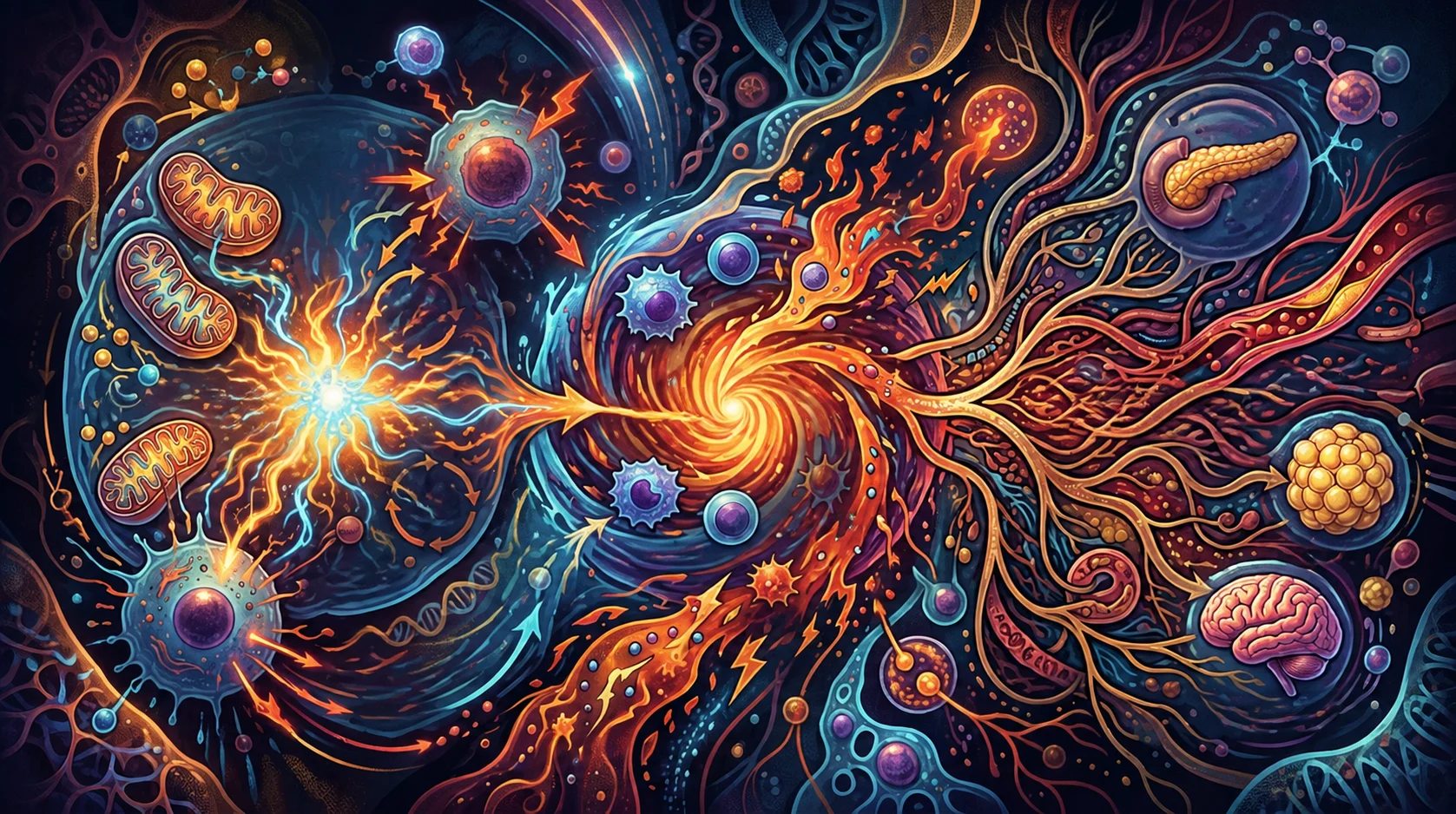
This is not simply about digestion affecting mood, or stress affecting digestion — though both are real and well-documented phenomena. The gut-brain axis is a sophisticated communication infrastructure. It includes the vagus nerve, one of the longest nerves in the body, running directly from the brainstem into the gut; the enteric nervous system (sometimes called the “second brain”), a network of over 500 million neurons embedded in the gut wall; immune cells that patrol and respond to conditions throughout the digestive tract; and the trillions of microorganisms that constitute the gut microbiome. Each of these components produces signals, responds to signals, and relays information that ultimately influences how the brain functions — and how the entire body maintains health and resilience.