Connecting Mitochondrial Health to Gut-Derived Signaling, Cardiovascular Physiology, & Neuroimmune Communication
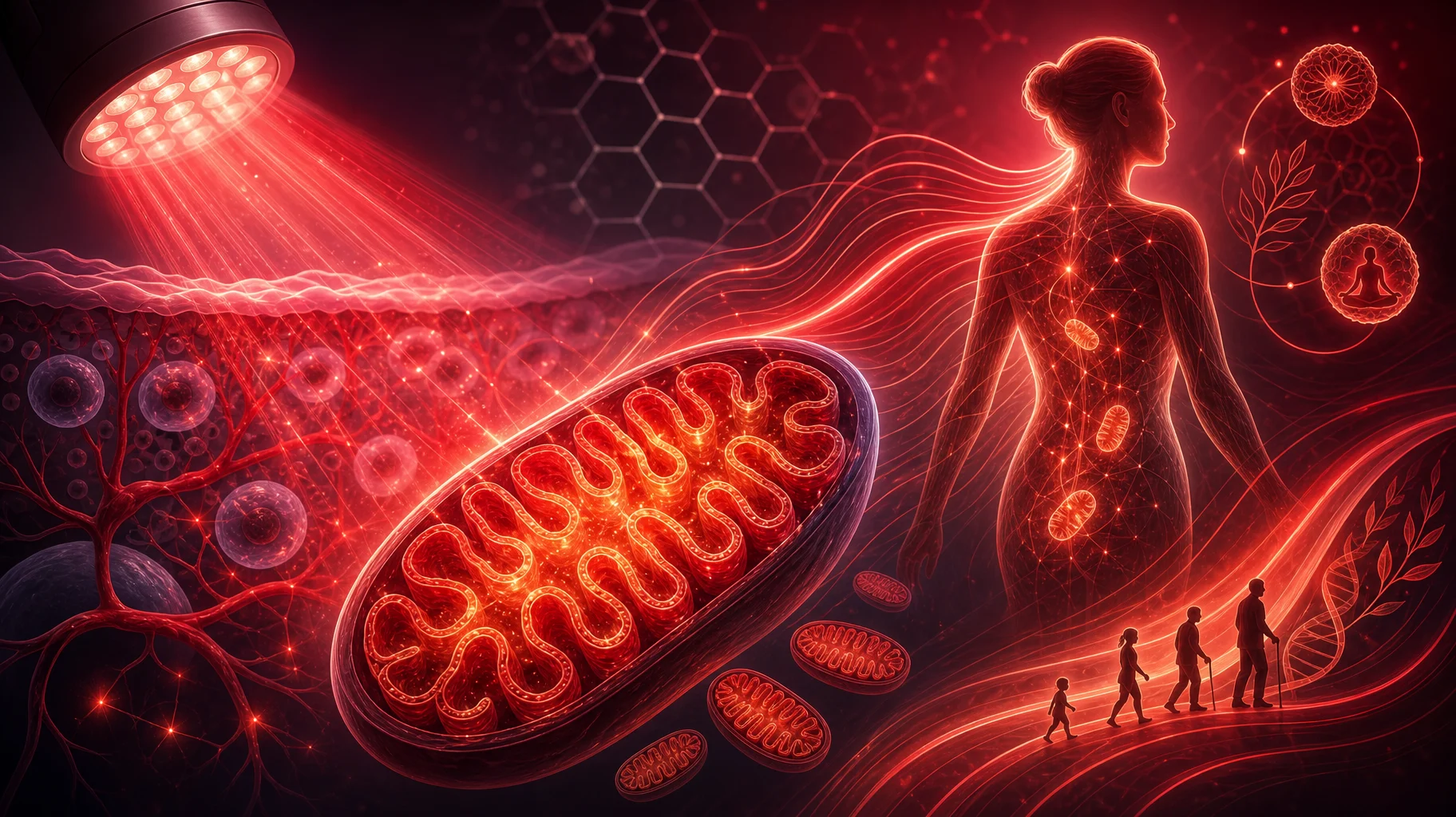
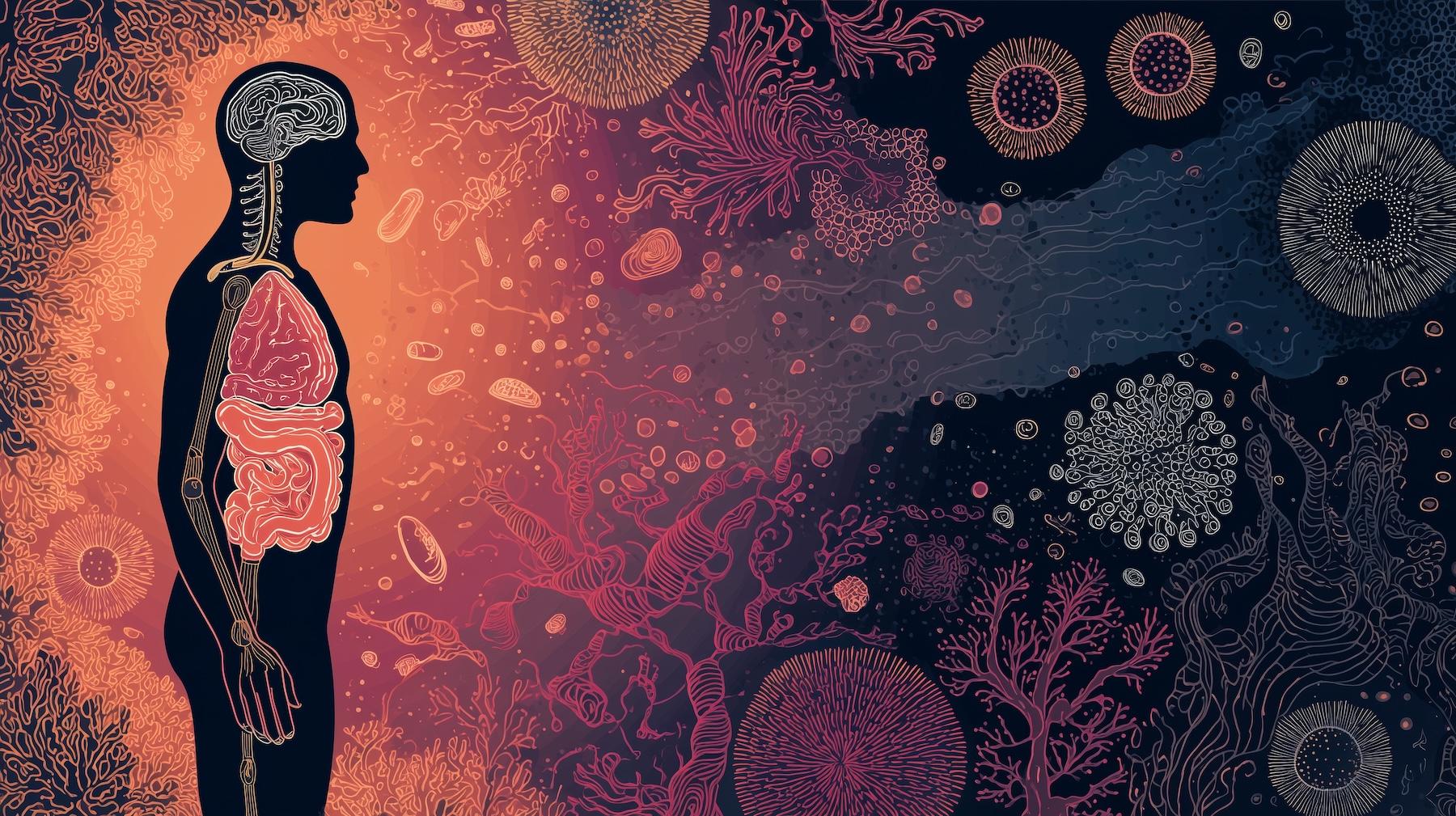
Mitochondria are increasingly understood as central bioenergetic signaling networks that integrate metabolism, immunity, and neural communication across the gut-heart-brain axis. Beyond ATP production, mitochondria help orchestrate inflammatory signaling, redox regulation, immune cell activation, vascular tone, autonomic responsiveness, neuroplasticity, and cellular adaptation to stress through tightly coupled metabolic signaling feedback loops (1-2).
From Isolated Disease Models to Shared Bioenergetic Network Dysfunction
Dysregulation in gut-derived signaling, cardiovascular physiology, immune regulation, and brain function converge on shared mechanisms involving mitochondrial dysfunction, oxidative stress, inflammatory signaling, and autonomic imbalance. Rather than isolated disease processes, these alterations reflect a multidirectional signaling network linking the gut microbiome with the cardiovascular, immune, endocrine, autonomic, and nervous systems through continuous physiologic crosstalk (3-4).
Mitochondria are deeply embedded within this broader regulatory system, continuously sensing and responding to metabolic, inflammatory, neuroendocrine, and environmental inputs while modulating cellular energetics, redox balance, immune communication, and stress adaptation.
A Layered Model of Systems Regulation
One useful way to conceptualize these overlapping interactions is through a layered systems model linking environmental inputs, coordinated signaling networks, and downstream bioenergetic regulation. Upstream factors (gut microbiome composition, circadian disruption, chronic stress, diet, and environmental exposures) shape the body’s signaling environment.
These inputs converge on interconnected immune, autonomic, endocrine, and metabolic signaling pathways that influence inflammatory tone and physiological resilience. Downstream, these regulatory pressures directly influence mitochondrial function, including energy production, redox balance, oxidative stress regulation, and stress-response capacity.
Mitochondria as Modulators of Physiological Resilience
Mitochondria influence nearly every major regulatory system within the body. In addition to supporting cellular energetics, they help coordinate inflammatory signaling, calcium homeostasis, vascular function, immune cell activation, redox balance, autonomic nervous system activity, neuroplasticity, and cellular adaptation to stress.
Because mitochondria sit at the interface of metabolism and signaling, dysfunction can disrupt multiple physiological systems simultaneously. This framework reflects bioenergetic resilience—the capacity of cells and organ systems to efficiently adapt to metabolic demand, inflammatory stress, and environmental challenge while maintaining functional stability.
Recent reviews describe mitochondria as central regulators of oxidative stress, inflammation, aging biology, and cellular adaptation, reinforcing their role in systemic resilience across chronic disease states (2).
As described by Lin et al. (2025), the broader gut-X axis framework highlights bidirectional communication between the gut microbiome and extraintestinal systems—including the brain, liver, cardiovascular, and immune systems—suggesting that disruptions in gut-derived signaling may have widespread systemic effects beyond digestion (5).
Gut-Derived Signaling & Mitochondrial Communication
The gut microbiome functions as a major metabolic and immune signaling system that continuously communicates with the brain, cardiovascular system, and mitochondria through microbial metabolites, inflammatory mediators, vagal signaling pathways, and neuroendocrine communication (6). This bidirectional network helps regulate inflammatory tone, intestinal barrier integrity, autonomic balance, and neuroimmune signaling.
When microbial ecosystems become disrupted—such as in dysbiosis—this signaling network may shift toward chronic low-grade inflammation, oxidative stress, impaired mitochondrial function, altered vagal tone, and dysregulated autonomic signaling.
Gut dysbiosis and increased intestinal permeability may influence systemic homeostasis through impaired mitochondrial function within glial and immune cells, particularly within gut-brain networks regulating neuroinflammation, neurotransmission, stress responsivity, and blood-brain barrier integrity (7).
Emerging evidence suggests that microbial metabolites may directly influence biological aging pathways. A 2025 study published in Nature Aging found that phenylacetylglutamine (PAGln)—a gut microbial-derived metabolite associated with cardiovascular risk—promoted cellular senescence and inflammatory aging pathways in older individuals, with implications for aging-related disease processes and mitochondrial stress responses (8).
The relationship between the microbiome and mitochondria is also relevant in neurodegenerative disease. A comprehensive review examining microbiome-mitochondrial crosstalk in neurodegeneration described a bidirectional relationship in which microbial ecosystems influence mitochondrial homeostasis, oxidative stress regulation, inflammatory signaling, and neuronal resilience throughout aging and neurological decline (9).
Collectively, these findings reinforce the concept that mitochondrial function is inseparable from gut-derived signaling networks. Mitochondria respond dynamically to microbial metabolites, inflammatory cytokines, nutrient availability, and stress-related neuroendocrine signaling, positioning them at the center of gut-heart-brain communication.
The Gut-Heart Axis & Cardiovascular Physiology
The cardiovascular system is highly dependent on mitochondrial integrity due to the energetic demands of cardiac tissue. However, mitochondria also regulate endothelial signaling, vascular inflammation, calcium handling, redox balance, autonomic responsiveness, and immune communication.
Recent cardiovascular research highlights the mitochondria-gut microbiota relationship as an important driver of vascular physiology and cardiometabolic health through microbial metabolites, inflammatory pathways, autonomic signaling, and mitochondrial communication (10).
Emerging work on the gut-heart axis further suggests that gut microbes and their metabolites may contribute to myocardial repair through cross-system signaling pathways involving immune modulation, inflammatory regulation, metabolic signaling, and mitochondrial function (11).
These same signaling pathways may also contribute to neuropsychiatric vulnerability. A 2024 review exploring relationships between the gut microbiome, cardiovascular disease, and neuropsychiatric disorders proposed that inflammatory signaling, autonomic imbalance, and mitochondrial dysfunction may represent shared mechanisms linking heart and brain health (12).
The importance of this discussion is substantial. Cardiovascular disease remains the leading cause of death among women in the United States, with projections suggesting continued increases in coronary heart disease, stroke, heart failure, and atrial fibrillation over the coming decades (13). These trends highlight an urgent need to rethink cardiovascular resilience through a more integrated systems biology lens—one that recognizes the interconnected roles of mitochondrial function, inflammation, autonomic regulation, metabolic health, and gut-derived signaling.
Neuroimmune Communication
Mitochondria also play an integral role in neuroimmune communication—the bidirectional interaction between the nervous and immune systems that helps regulate stress adaptation, inflammation, cognition, and emotional resilience.
Chronic psychological stress places substantial energetic demands on the body. Over time, persistent activation of stress-response systems increases allostatic load—the cumulative physiological burden associated with chronic adaptation to stress (14).
This process is increasingly recognized as metabolically expensive, contributing to mitochondrial strain, accumulation of oxidative stress, inflammatory activation, autonomic imbalance, impaired metabolic flexibility, and accelerated biological aging.
Emerging evidence suggests that mitochondrial dysfunction may contribute to neuroinflammation, impaired neuroplasticity, altered neurotransmitter regulation, and disrupted stress responsivity across a range of psychiatric and neurodegenerative conditions (15).
This framework increasingly positions many mental health conditions within a broader model of metabolic-neuroimmune dysfunction, where inflammatory signaling, mitochondrial stress, autonomic dysregulation, and altered gut-brain communication influence mood, cognition, and emotional resilience.
A 2023 review examining intestinal epithelial mitochondria in depression proposed that mitochondria within intestinal epithelial cells help regulate gut microbial balance, intestinal metabolism, and immune signaling relevant to depression and neuroimmune dysfunction (16). The authors suggest that intestinal mitochondrial dysfunction may contribute to altered gut–brain communication patterns associated with mood disorders and inflammatory dysregulation.
Lifestyle Factors That Support Mitochondrial Resilience
Lifestyle interventions influence mitochondrial function through coordinated effects on inflammatory signaling, autonomic regulation, oxidative stress balance, circadian biology, metabolic flexibility, and neuroimmune communication. These pathways converge on shared mechanisms implicated in cardiometabolic, neurodegenerative, and psychiatric conditions.
Nutrition
Nutrition plays a foundational role in shaping mitochondrial and microbial health. Fiber-rich, plant-diverse dietary patterns support microbial metabolite production, inflammatory regulation, gut barrier integrity, metabolic flexibility, and autonomic balance.
Emerging evidence suggests microbiome-targeted interventions may influence neuronal mitochondrial function in depression-related pathways. A 2025 review proposes that probiotics, dietary fiber, and fecal microbial transplantation may improve neuronal mitochondrial signaling through gut-derived vagal, neuroendocrine, and immune pathways involving glial and immune mitochondrial function, relevant to mood regulation and inflammation (17).
Reviews of essential nutrient signaling suggest that adequate nutrient availability supports metabolic pathways critical to cellular resilience (18).
Mind-Body Practices
Mind-body interventions, including meditation, breathwork, and mindfulness, may reduce physiological stress load by modulating HPA-axis activity, autonomic balance, inflammatory signaling, and oxidative stress pathways.
A 2017 meta-analysis of 45 randomized controlled trials found meditation was associated with reductions in cortisol, blood pressure, heart rate, triglycerides, and inflammatory markers (including TNF-α) across diverse populations (19). Additional reviews report improvements in emotional resilience, cognitive flexibility, attention, sleep quality, and stress hormone regulation (20).
Somatic shaking practices may support nervous system regulation via interoceptive and parasympathetic pathways, with heat and cold exposure further supporting mitochondrial stress adaptation.
These findings suggest mind-body interventions may support mitochondrial resilience by reducing allostatic load.
Nature Exposure
Nature may regulate neuroimmune and mitochondrial health. A 2020 systematic review found that exposure to natural environments reduced perceived stress and physiologic stress markers (21). A 2024 meta-analysis found that both digital and real-world nature exposure reduced stress (22).
Sleep & Circadian Rhythm
Sleep & circadian rhythm are essential for mitochondrial maintenance, neuroimmune restoration, and metabolic resilience. Mitochondria operate on circadian rhythms, with oscillations in respiration, oxidative metabolism, antioxidant defense systems, and cellular repair processes (23).
Circadian disruption may impair mitochondrial efficiency, inflammatory balance, insulin signaling, autonomic regulation, and stress resilience, contributing to metabolic and neuropsychiatric dysfunction.
Sleep is pivotal for mitochondrial maintenance and neuroimmune restoration. A 2024 Nature Neuroscience study showed neuron-glia metabolic cycling during sleep supports mitochondrial homeostasis, lipid clearance, and protection from oxidative stress (24).
A systematic review links mitochondrial function to sleep-wake regulation via enzyme activity, oxidative metabolism, and protein expression changes during sleep deprivation (25). More recent work describes mitochondrial signaling as a regulator of sleep-wake biology and brain metabolism (26).
Toward a Bioenergetic Systems Framework
Mitochondrial health cannot be understood in isolation from the broader biological networks that regulate human physiology. Emerging systems-based models increasingly integrate gut-derived signaling, cardiovascular physiology, neuroimmune communication, autonomic regulation, and metabolic health as integrated components of a broader bioenergetic regulatory system.
Within this framework, mitochondria function as distributed regulators of inflammatory signaling, stress adaptation, metabolic flexibility, autonomic balance, and physiological resilience.
This perspective reframes chronic disease, mental health, cardiovascular dysfunction, and aging as expressions of dysregulated systems communication, underscoring the importance of restoring bioenergetic coherence across the gut-heart-brain axis.
Upcoming Webinar and Deep Dive
As rates of cardiovascular disease, metabolic dysfunction, neuroinflammation, and stress-related disorders continue to rise, there is increasing recognition of the need to move beyond isolated symptom-based models toward interconnected biological systems shaping long-term health.
The upcoming webinar, Mitochondria Through the Lens of the Gut–Heart–Brain Axis on June 16 from 5-7 PM, will explore emerging research linking mitochondrial function with gut-derived signaling, cardiovascular physiology, neuroimmune communication, autonomic regulation, and systemic resilience.
The session features interdisciplinary faculty, including Jeffrey Bland, PhD, Sanjay Bhojraj, MD, and Lisa Portera, DC, offering an integrative perspective on mitochondrial resilience, inflammation, and cardiometabolic health.
Following the webinar, members will also gain access to a self-paced Deep Dive course with these and additional experts: Emily Rydbom, BCHN, CNP, Navaz Habib, DC, and Monique Class, APRN-BC, offering a deeper exploration of the mechanisms, research, and clinical applications spanning mitochondrial health and gut-heart-brain axis communication.
References:
- Picard M, McEwen BS. Psychological Stress and Mitochondria: A Conceptual Framework. Psychosom Med. 2018 Feb/Mar;80(2):126-140. doi: 10.1097/PSY.0000000000000544. PMID: 29389735; PMCID: PMC5901651.
- Xu, X., Pang, Y., & Fan, X. (2025). Mitochondria in oxidative stress, inflammation and aging: from mechanisms to therapeutic advances. Signal Transduction and Targeted Therapy, 10. https://doi.org/10.1038/s41392-025-02253-4.
- Tardo DT, Cortes-Canteli M, Fuster V, Sachdev PS, Kovacic JC. The Heart-Brain-Metabolism Axis in Cardiovascular and Neurologic Disease. J Am Coll Cardiol. 2025 Dec 23;86(25):2663-2686. doi: 10.1016/j.jacc.2025.09.1602. PMID: 41432331.
- Zhang Y, Wu H, Jin M, Feng G and Wang S (2025) The gut-heart axis: unveiling the roles of gut microbiota in cardiovascular diseases. Cardiovasc. Med. 12:1572948. doi: 10.3389/fcvm.2025.1572948
- Lin X, Yu Z, Liu Y, Li C, Hu H, Hu JC, Liu M, Yang Q, Gu P, Li J, Nandakumar KS, Hu G, Zhang Q, Chen X, Ma H, Huang W, Wang G, Wang Y, Huang L, Wu W, Liu NN, Zhang C, Liu X, Zheng L, Chen P. Gut-X axis. Imeta. 2025 Feb 26;4(1):e270. doi: 10.1002/imt2.270. Erratum in: Imeta. 2025 Jun 22;4(4):e70057. doi: 10.1002/imt2.70057. PMID: 40027477; PMCID: PMC11865426.
- Cryan JF, O’Riordan KJ, Cowan CSM, Sandhu KV, Bastiaanssen TFS, Boehme M, Codagnone MG, Cussotto S, Fulling C, Golubeva AV, Guzzetta KE, Jaggar M, Long-Smith CM, Lyte JM, Martin JA, Molinero-Perez A, Moloney G, Morelli E, Morillas E, O’Connor R, Cruz-Pereira JS, Peterson VL, Rea K, Ritz NL, Sherwin E, Spichak S, Teichman EM, van de Wouw M, Ventura-Silva AP, Wallace-Fitzsimons SE, Hyland N, Clarke G, Dinan TG. The Microbiota-Gut-Brain Axis. Physiol Rev. 2019 Oct 1;99(4):1877-2013. doi: 10.1152/physrev.00018.2018. PMID: 31460832.
- Anderson, G., & Maes, M. (2020). Gut Dysbiosis Dysregulates Central and Systemic Homeostasis via Suboptimal Mitochondrial Function: Assessment, Treatment and Classification Implications.. Current topics in medicinal chemistry. https://doi.org/10.2174/1568026620666200131094445.
- Yang H, Wang T, Qian C, Wang H, Yu D, Shi M, Fu M, Liu X, Pan M, Rong X, Xiao Z, Chen X, Yeerken A, Wu Y, Zheng Y, Yang H, Zhang M, Liu T, Qiao P, Qu Y, Lin Y, Huang Y, Jin J, Liu N, Wen Y, Sun N, Zhao C. Gut microbial-derived phenylacetylglutamine accelerates host cellular senescence. Nat Aging. 2025 Mar;5(3):401-418. doi: 10.1038/s43587-024-00795-w. Epub 2025 Jan 10. PMID: 39794469.
- Borbolis, F., Mytilinaiou, E., & Palikaras, K. (2023). The Crosstalk between Microbiome and Mitochondrial Homeostasis in Neurodegeneration. Cells, 12. https://doi.org/10.3390/cells12030429.
- Kulkarni, H., & Gaikwad, A. (2025). The mitochondria-gut microbiota crosstalk – a novel frontier in cardiovascular diseases.. European journal of pharmacology, 177562 . https://doi.org/10.1016/j.ejphar.2025.177562.
- Chen, H., Tang, T., Pasaribu, S., Wu, D., Rey, F., & Hsieh, P. (2026). Gut-Heart Axis in Myocardial Repair: Mechanisms, Cross-Organ Networks, and Therapeutic Opportunities. Circulation Research, 138, e326978 – e326978. https://doi.org/10.1161/circresaha.125.326978.
- Zhang, Y., Huang, K., Duan, J., Zhao, R., & Yang, L. (2024). Gut microbiota connects the brain and the heart: potential mechanisms and clinical implications. Psychopharmacology, 241, 637 – 651. https://doi.org/10.1007/s00213-024-06552-6.
- Karen E. Joynt Maddox, Harmony R. Reynolds, Demilade Adedinsewo, Cheryl Bushnell, Holli A. DeVon, Holly C. Gooding, Virginia J. Howard, Rina Mauricio, Eliza C. Miller, Garima Sharma, R.J. Waken. Forecasting the Burden of Cardiovascular Disease and Stroke in Women in the United States Through 2050: A Scientific Statement From the American Heart Association. Circulation, 2026; DOI: 1161/CIR.0000000000001406
- Bobba-Alves, N., Juster, R., & Picard, M. (2022). The energetic cost of allostasis and allostatic load. Psychoneuroendocrinology, 146, 105951 – 105951. https://doi.org/10.1016/j.psyneuen.2022.105951.
- De Oliveira, L., De Souza Angelo, Y., Iglesias, A., & Peron, J. (2021). Unraveling the Link Between Mitochondrial Dynamics and Neuroinflammation. Frontiers in Immunology, 12. https://doi.org/10.3389/fimmu.2021.624919.
- Wang, Y., Lai, H., Zhang, T., Wu, J., Tang, H., Liang, X., Ren, D., Huang, J., & Li, W. (2023). Mitochondria of Intestinal Epithelial Cells in Depression: Are They at A Crossroads of Gut-brain Communication?. Neuroscience and biobehavioral reviews, 105403 . https://doi.org/10.1016/j.neubiorev.2023.105403.
- Zhao, H., Qiu, X., Wang, S., Wang, Y., Xie, L., Xia, X., & Li, W. (2025). Multiple pathways through which the gut microbiota regulates neuronal mitochondria constitute another possible direction for depression. Frontiers in Microbiology, 16. https://doi.org/10.3389/fmicb.2025.1578155.
- Ting Ding, Ge Song, Xinran Liu, Meihong Xu, Yong Li. Nucleotides as optimal candidates for essential nutrients in living organisms: A review, Journal of Functional Foods, Volume 82, 2021, 104498, ISSN 1756-4646, https://doi.org/10.1016/j.jff.2021.104498. (https://www.sciencedirect.com/science/article/pii/S175646462100147X)
- Pascoe, M., Thompson, D., Jenkins, Z., & Ski, C. (2017). Mindfulness mediates the physiological markers of stress: Systematic review and meta-analysis.. Journal of psychiatric research, 95, 156-178 . https://doi.org/10.1016/j.jpsychires.2017.08.004.
- Sukh, P., & Sharma, B. (2023). Application of meditation for stress management. International Journal of Yogic, Human Movement and Sports Sciences. https://doi.org/10.22271/yogic.2023.v8.i1d.1407.
- Shuda, Q., Bougoulias, M., & Kass, R. (2020). Effect of nature exposure on perceived and physiologic stress: A systematic review.. Complementary therapies in medicine, 53, 102514 . https://doi.org/10.1016/j.ctim.2020.102514.
- Fan, L., & Baharum, M. (2024). The effects of digital nature and actual nature on stress reduction: A meta-analysis and systematic review. Internet Interventions, 38. https://doi.org/10.1016/j.invent.2024.100772.
- De Goede, P., Wefers, J., Brombacher, E., Schrauwen, P., & Kalsbeek, A. (2018). Circadian rhythms in mitochondrial respiration. Journal of Molecular Endocrinology, 60, R115 – R130. https://doi.org/10.1530/jme-17-0196.
- Haynes, P., Pyfrom, E., Li, Y., Stein, C., Cuddapah, V., Jacobs, J., Yue, Z., & Sehgal, A. (2024). A neuron–glia lipid metabolic cycle couples daily sleep to mitochondrial homeostasis. Nature Neuroscience, 27, 666 – 678. https://doi.org/10.1038/s41593-023-01568-1.
- Beaupre, L., Brown, G., Braganza, N., Kennedy, J., & Gonçalves, V. (2021). Mitochondria’s role in sleep: Novel insights from sleep deprivation and restriction studies. The World Journal of Biological Psychiatry, 23, 1 – 13. https://doi.org/10.1080/15622975.2021.1907723.
- Sarnataro, R. (2025). Neurobiology of mitochondrial dynamics in sleep. The Journal of Physiology, 603, 6747 – 6762. https://doi.org/10.1113/jp288054.