Q3 Newsletter: Epi-wellness: Taking the Lead in the DNA-Diet Dance
Epi-wellness: Taking the Lead in the DNA-Diet Dance
– Lucia Aronica, PhD
Our genes are mighty molecules. They can have powerful effects on the way we look, feel, and respond to signals from the world around us. But they usually work in big networks of thousands and millions of tiny genetic variations that interact with each other and with our environment. It’s like an orchestra that plays in sync with lifestyle factors such as food, exercise, and toxic substances to modulate the symphony of our biology.
When it comes to genes and diet, this symphony is called nutrigenomics, the science of how DNA and diet dance with each other to shape our health from the inside out and outside in. There are two main “steps” in this dance: The first step is called nutrigenetics. Nutrigenetics is the science of how genes can affect the way we respond to the food we eat – from the inside out. The second step of the DNA-diet dance is called nutriepigenetics or “nutritional epigenetics”, which is the science of how the food we eat can affect our genes’ function – from the outside in. Nutrigenetics and nutritional epigenetics, work hand in hand and are the cornerstone sciences of my research at Stanford University.
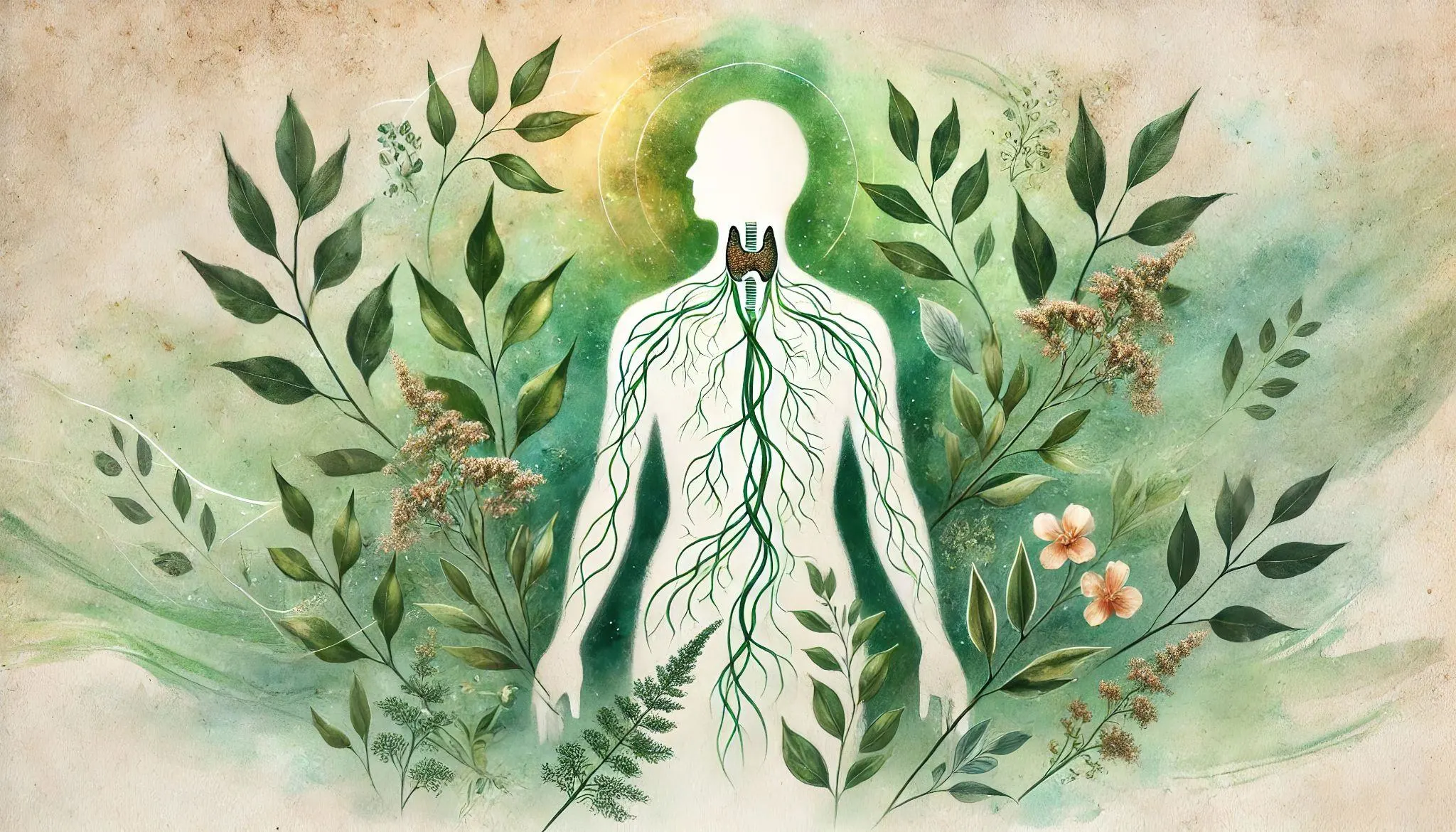
In the DNA-diet dance of nutrigenomics, diet leads DNA. Nutritional epigenetics empowers us to overcome the assumption that our DNA is destiny and take control of our health by using one of the most powerful weapons in lifestyle medicine’s arsenal: food. Our genes are much more flexible than we used to think and learn from our “exposome” – all the things we are exposed to everyday including diet, environmental toxicants, and even social interactions. This flexible face of our genes is called epigenetics. The Greek prefix “epi” means “on the top”, “above” in English. Epigenetic marks are molecular switches on the top of our DNA that can turn genes on and off, just like a dimmer switch modulates lights up and down in a room. These switches respond to signals from our exposome thus providing a mechanism for using lifestyle as medicine for our genes, as a tool to improve their function without changing their sequence.
But how can we bring epigenetics in our everyday life and take the lead in the DNA-diet dance? “Epi-wellness” is a framework I use to teach my students to do just that. Epi-wellness is everyday epigenetics. It means, for example, eating foods that provide epigenetic benefits aka “epi-nutrients” such as spinach, cruciferous vegetables, beets, liver, and eggs, and minimizing the exposures to substances that can have negative epigenetic effects aka “epi-toxicants” such as plastics, pesticides, and air pollutants. As such, epi-wellness is a framework for proactive personalized lifestyle medicine. It’s a health paradigm of behavior change through science and of reward through responsibility. It means taking charge of our own health by making daily lifestyle decisions that improve our gene function. It means shifting from fear of disease to excitement for health and make sure we control our genes, not the other way around.
As a scientist and teacher, I believe in the power of ‘why’. As the philosopher Friedrich Nietzsche said, “One who has a ‘why’ to live for can endure almost any ‘how’”. Knowledge is key to behavior change and transformation. Epigenetics teaches us that our lifestyle can be medicine or poison for us. We can use this powerful message as a strong ‘why’ for sustained lifestyle behavior change; an intrinsic motivation that does not depend on external goals or imminent needs (e. g. getting in shape for summer or reactively managing a health condition after symptoms manifest) but arises from the empowering concept that each of us is the artisan of their own health.
The powerful ‘why’ of epi-wellness is a common ground from which very personal ‘how’s’, very individualized health strategies arise. Epi-wellness is personalized lifestyle medicine because it is truly a living autobiography that each of us writes everyday on the pages of their past and current life exposures. For this reason, epi-wellness is best told through the stories of those who live it. Over the years, I have collected hundreds of epi-wellness stories from my students. Below, I am sharing with you an interview with my student Jacob Gutierrez, a talented computational biologist who shares with us his discovery journey into epi-wellness.
Would you like to read more epi-wellness stories like this one, or perhaps share yours in one of our next newsletters? Please let me know and feel free to connect with me.
Let’s take the lead in the dance with our health!
Would you like to connect with Dr. Aronica?
Free webinar: https://draronica.com/free-webinar/
Social site: https://draronica.go.studio/
‘My Epi-wellness’: Interview with Jacob Gutierrez
What is epi-wellness for you? What is your lifestyle strategy to maximizing good epigenetic inputs and minimizing the bad ones?
To me, epi-wellness is a coin with two faces. On one hand it is “responsible wellness”; it means being conscious of what behaviors and activities may have positive or negative consequences to my health — for example, which foods are rich in epigenetically-active nutrients aka “epi-
nutrients” or which substances may harm epigenetic processes thus acting as “epi-toxicants”.
On the flip side, epi-wellness is “rewarding wellness”, it means taking charge of my health, letting science inspire my lifestyle strategy, and taking pride for any health win I make on my “epi-wellness” journey. In my own life, the science around obesity is helping me in my struggle
with overweight. According to the latest science, obesity is rooted in behavior rather than metabolism. Most people with obesity carry genetic variants in the genes affecting the way the brain works rather than the way our body uses energy (1). Taking this science into account, I practice mindful shopping by consciously buying healthier epi-nutrient rich foods at the grocery store. I do this because when I mindlessly shop, I tend to find unhealthy snacks in my cart such as chips and cookies. By eliminating the choice of chips at the market I have noticed that I was able to increase my intake of food that offer epi benefits.
How has epigenetics changed your view of personalized lifestyle medicine?
By being mindful of the epigenetic effects of our exposures and actions in our daily life we are practicing personalized medicine. Epigenetic wellness or ‘epi-wellness” isn’t limited to the doctor’s office but begins at home. Epi-wellness thinking will bring a future where personalized
lifestyle medicine is commonplace and where we all have increased awareness of our health decisions as a community.
What is your take-home summary of EPI wellness that you would like to pass along?
Epi-wellness provides a biological basis for what you may have heard from your grandmother – that we are what we eat, do, and think. The take home message I would like to impart is although science says there are some elements of our bodies we cannot change, other lines of research indicate that there are various ways we can influence our epigenetics through nutrition, diet, and lifestyle, leading us to a healthier lifestyle ~ `EPI wellness`.
References:
1. Loos, R.J.F., Yeo, G.S.H. The genetics of obesity: from discovery to biology. Nat Rev
Genet 23, 120–133 (2022). https://doi.org/10.1038/s41576-021-00414-z